
The Government’s early release plans are back on track. However, they will start a month late and with more exclusions.
Releases under the new ‘progression model’ were due to start on 2 September. They will now begin in October.
The scheme will no longer cover anyone serving a sentence for rape or for sexual offences against children. As a result, the number of prisoners expected to benefit has fallen from an estimated 6,000 to 5,000.
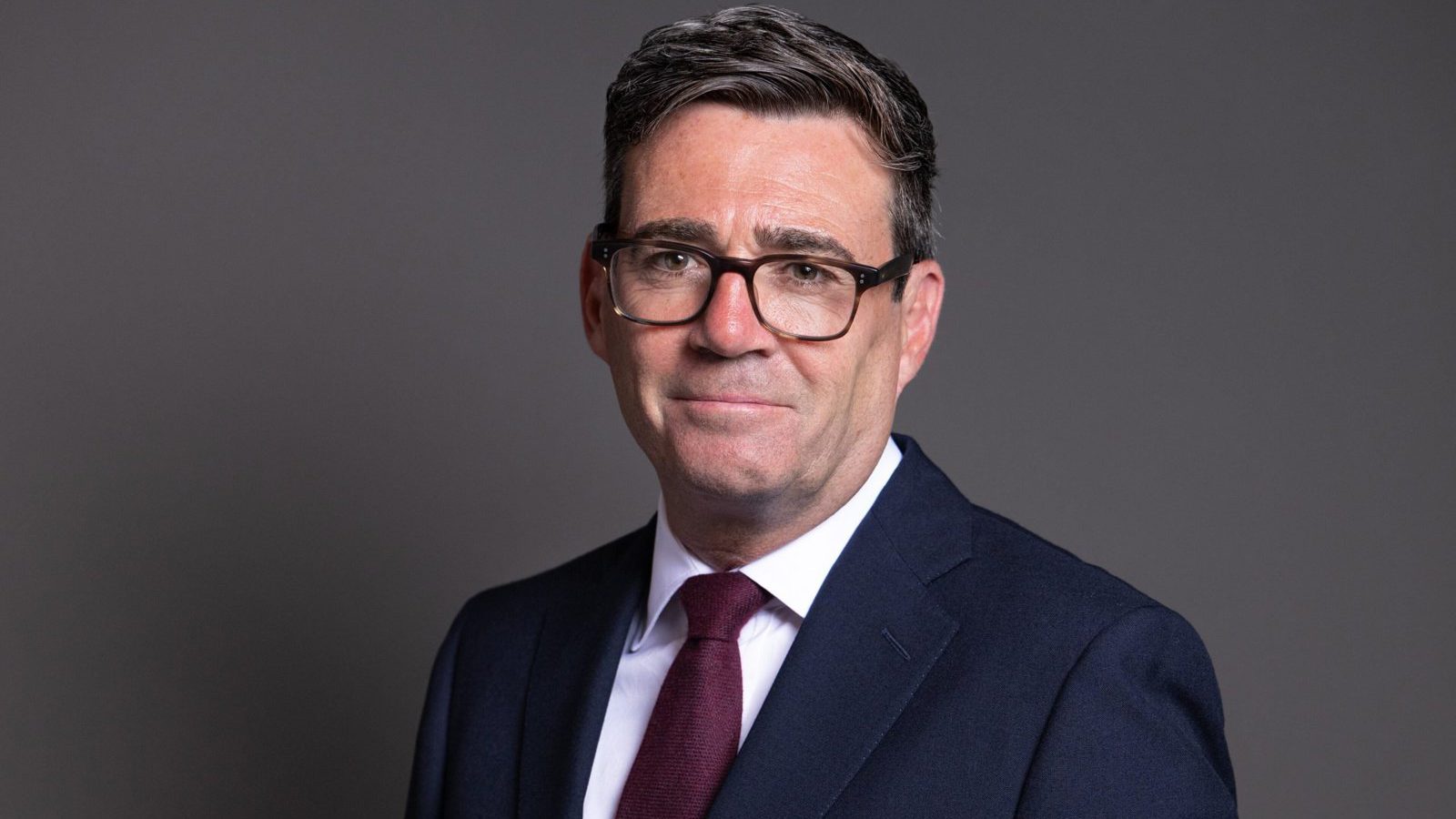
The Prime Minister, Andy Burnham, set out the changes on 3 August. They follow a two-week review led by the Justice Secretary, Alex Norris.
Writing in The Telegraph, Mr Burnham said pausing the scheme had been one of his first decisions in office. He said the review had now concluded and that he would make significant changes to the plans he inherited. Sentences for rape, serious child sex offences and other grooming offences would fall outside the changes.
He also wrote that he had gone as far as he could. “I have pushed to the very limits of what is possible to do without risking the prison system reaching capacity and collapsing,” he said.
Three other options for capacity
Mr Burnham also promised to examine three other ways to create space in prisons. He said he had asked ministers and officials to review the Imprisonment for Public Protection (IPP) sentence.
Although IPP ended in 2012, around 2,300 people are still in prison serving it.
He also wants them to consider releasing more women early. That would allow a women’s prison to become a men’s jail. The third option is to look at returning foreign national prisoners to their home countries more quickly.
Successive governments have repeatedly examined all three ideas, with little progress.
In March 2026, 2,329 people were in prison on IPP sentences. Of these, 896 had never left prison on the sentence. The other 1,433 had gained release and then faced recall.
UNGRIPP, a campaign group, gave the announcement a cautious welcome. “We have seen this before, and we should not get our hopes up,” it said. It said people serving IPP and their families had heard promises of reform before. Each time, change had stalled or failed to arrive.
Two years in the making
The scheme aims to free up space in prisons in England and Wales. Sir Keir Starmer led Labour into government in July 2024. At that point the system was close to overflowing, with only a few hundred free places nationally.
Sir Keir asked David Gauke, the Conservative former justice secretary, to lead a sentencing review. It blamed overcrowding on decades of persistent sentence inflation.
Mr Gauke proposed a ‘progression model’. Most prisoners on fixed-term sentences would leave custody after at least a third of their term, rather than 40 per cent. Those now released at the two-thirds point would instead leave at the halfway point.
Labour’s Sentencing Act 2026, which became law in January this year, largely followed his blueprint. Published plans set out the release of around 6,000 prisoners who had already passed the one-third point. They were to leave in 10 monthly tranches from 2 September.
Mr Burnham replaced Sir Keir as Prime Minister on 20 July. Victims’ campaigners and Labour MPs then pressed him to scale back the releases. On 22 July he halted them pending Mr Norris’s review.
On 3 August the Ministry of Justice said releases would now start from 1 October. It did not make clear when the first prisoners would leave, or whether the tranche pattern would continue. The Government plans to publish a new commencement order with further details later in August.
Manslaughter does not appear among the new exclusions, so people convicted of it remain eligible. The offence has drawn particular criticism. Two men convicted of manslaughter over the death of Pc Andrew Harper in Berkshire in 2019 stand to benefit.
Pc Harper’s widow, Lissie Harper, described the decision as an “utter betrayal” and an “affront to justice”.
Without the Sentencing Act releases, forecasts suggested prisons would run out of places in November.
Pia Sinha, Chief Executive of the Prison Reform Trust, said the Government was right to listen to victims. But she said it was “between a rock and a hard place”. “The more exclusions it adds the fewer prison places it saves, making the return of the prison capacity crisis in the coming months ever more likely,” she said.
She noted that there was still no impact assessment of the new policy. The Trust’s analysis suggests that around 10,000 prisoners fall within the new exclusions. She said they would now spend longer inside than the legislation intended.
The scheme already excluded around 18,000 prisoners, roughly a quarter of the prison population. They are serving life, IPP or other indeterminate terms, or Extended Determinate Sentences.



