
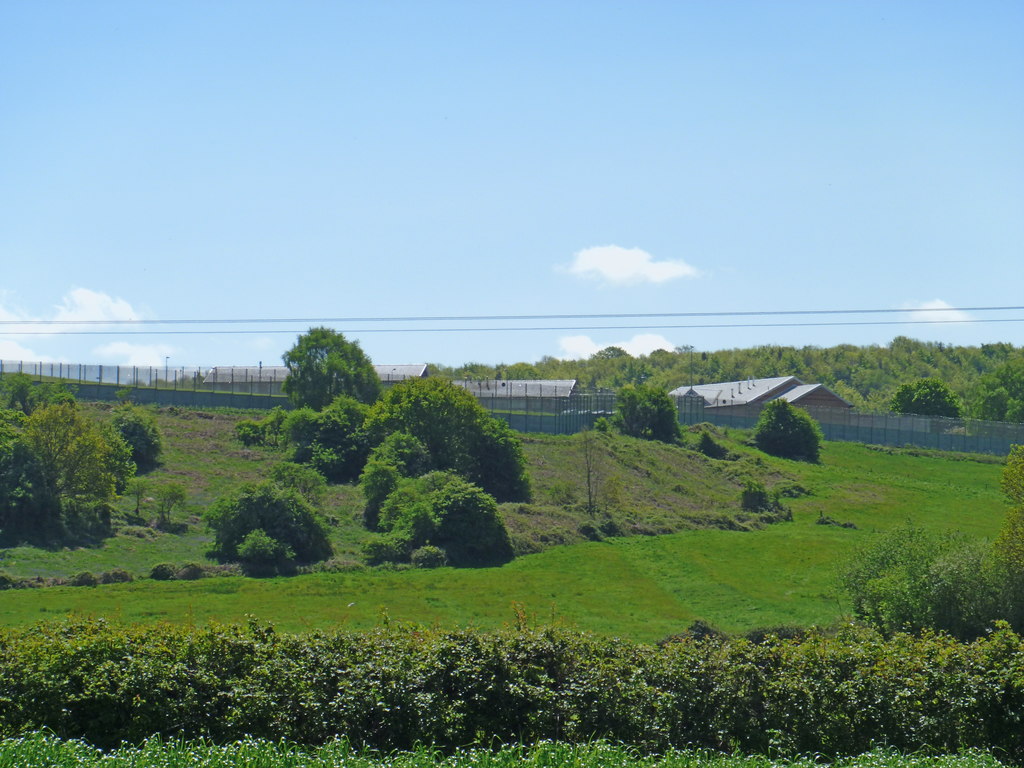
Inspectors found little improvement at HMP & YOI Erlestoke, and standards of respect had slipped. Their report, published in December 2021, graded the Wiltshire prison not sufficiently good in all four areas they assess.
HM Chief Inspector of Prisons Charlie Taylor called the findings disappointing. He wrote: “While Erlestoke is not the worst prison we have inspected it should be performing better.”
Erlestoke is a category C training and resettlement prison near Devizes. It held just over 440 adult men when inspectors visited between 16 and 27 August 2021. It also held young adults. Most men were serving more than four years. About a third were serving indeterminate sentences, including 80 serving life. Nearly two-thirds were assessed as high or very high risk of harm to others.
Grades and earlier warnings
Inspectors judge every prison against four healthy prison tests. These are safety, respect, purposeful activity, and rehabilitation and release planning. Purposeful activity covers education, work and time out of cell.
At the previous full inspection in 2017, inspectors rated respect reasonably good and the other three areas not sufficiently good. In 2021, respect fell to not sufficiently good. The other three grades stayed the same.
Inspectors had also made a scrutiny visit in August 2020, at the height of the pandemic. The findings then had so alarmed the previous Chief Inspector of Prisons that he raised them directly with the Secretary of State. Inspectors made nine key recommendations after that visit. By 2021 the prison had achieved four and missed five.
Mr Taylor accepted that COVID-19 outbreaks had affected the prison. But prisoners had grown frustrated at the gap between their own lives and the easing of restrictions outside. The prison applied some restrictions inconsistently. He said leaders needed more ambition about opening up the regime safely, which might have eased the sense of aimlessness inspectors saw.
While Erlestoke is not the worst prison we have inspected it should be performing better.
Charlie Taylor, HM Chief Inspector of Prisons
Violence, force and drugs
In the survey, more than half of prisoners said they had felt unsafe at some point. Almost a third felt unsafe at the time, far more than at the previous inspection. Assaults on staff ran at double the rate for similar prisons and were rising.
Use of force had increased significantly since 2017, with too little oversight and accountability. Inspectors were not convinced that it had been necessary or proportionate in every case they reviewed. Staff made high use of special accommodation without enough justification. Not every incident in which staff drew batons led to an investigation.
Almost half of prisoners said illicit drugs and alcohol were easy to get. Psychoactive substances caused frequent medical emergencies. The reopening of the drug recovery unit was a positive step, but the prison was not doing enough to cut the supply of drugs.
There had been one self-inflicted death since 2017. Recorded self-harm ran much higher than in most similar prisons. Only a third of men on case management for risk of suicide or self-harm felt cared for by staff. Listeners, prisoners trained by the Samaritans to offer emotional support, had worked throughout the pandemic. Staff, however, did not always let men see them.
Living conditions and staff
Significantly fewer prisoners than in 2017 said staff treated them with respect. Inspectors too often saw staff gathered in offices, reluctant to help with reasonable requests and failing to challenge poor behaviour.
First night and induction cells were dirty, ill-equipped and covered in graffiti. New arrivals isolating under COVID-19 guidance got only 30 minutes a day unlocked. Cells on Silbury B were overcrowded and in very poor condition. Communal areas on Alfred, Wessex and Silbury B were dirty, although the enhanced units looked clean and well kept.
Many areas of the grounds had become overgrown, and inspectors found a significant rat infestation. Staff told them rats frequently got into the residential units. Cleaning regimes varied across the prison, and some units struggled to get basic materials.
Leaders were not visible, oversight lacked rigour and priorities went uncommunicated. Leaders did not use data well when making decisions. In a staff survey, many staff, often inexperienced, said nobody supported their wellbeing and that morale was low. Inspectors called for practical steps to build confidence and competence among staff and some supervisors.
A chance to improve
Mr Taylor said the end of the pandemic gave Erlestoke an opportunity to review and reinvent its approach and culture. He noted that the prison had advantages, including a clear purpose and a population with reason to engage with their sentences. With effective leadership and a more engaged staff group, he said, it could quickly improve.
Inspectors have reported on the prison again since, with independent reviews of progress published in July 2022 and June 2025. A full inspection was published in September 2024.
About this story
This story is based on HM Inspectorate of Prisons’ report on HMP & YOI Erlestoke, published on 7 December 2021, following an inspection that ended in August 2021. It covers an earlier inspection: the prison’s profile has the latest findings. All figures and judgements are the inspectorate’s. Read the full inspection report · See the prison’s profile in our directory.



