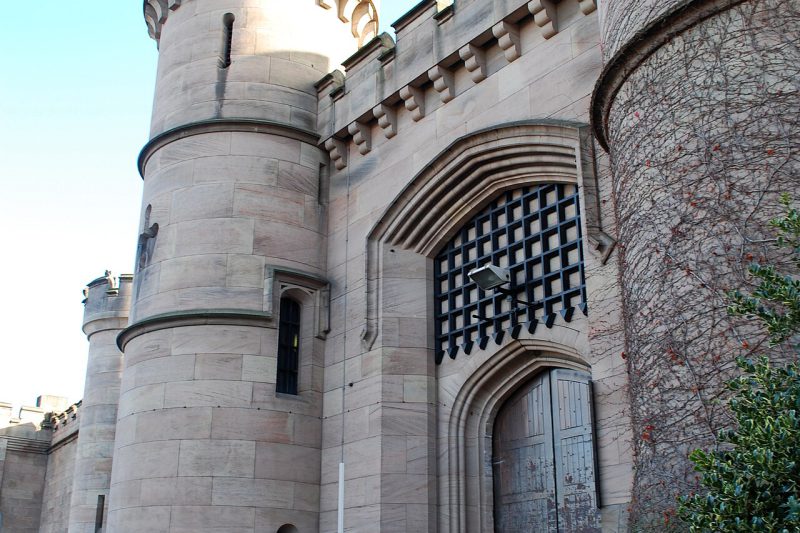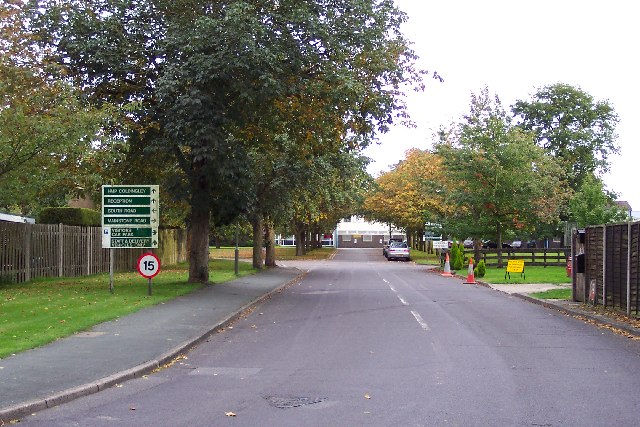
Prisoners at HMP Coldingley spent up to seven hours a day out of their cells, far more than at many jails, inspectors found. Yet education at the Surrey prison was so weak that Ofsted gave it its lowest rating.
The inspectorate’s report, published in April 2022, followed a visit between 6 and 14 January 2022. Coldingley, a category C training and resettlement prison for adult men, held 431 prisoners. Most were serving long sentences, including life sentences.
HM Chief Inspector of Prisons Charlie Taylor wrote: “Since I came into post in November 2020, I have rarely visited a jail about which prisoners spoke so positively.”
He said the poor education was “a huge missed opportunity” to help prisoners onto learning that would support their resettlement.
How the prison was graded
Inspectors rated safety, respect, and rehabilitation and release planning reasonably good. Purposeful activity, which covers education, work and time out of cell, was not sufficiently good.
Compared with 2017, outcomes stayed the same in one area, improved in one and declined in two. Safety held at reasonably good. Respect improved from not sufficiently good. Purposeful activity fell from reasonably good, and rehabilitation and release planning also declined.
At the 2017 inspection the inspectorate made 39 recommendations, three of them about key concerns. The prison had achieved none of those three, which covered safety and respect.
Since I came into post in November 2020, I have rarely visited a jail about which prisoners spoke so positively.
Charlie Taylor, HM Chief Inspector of Prisons
Time out of cell but too little to do
Almost all prisoners had around seven hours a day unlocked, and those on G wing were unlocked all day. Leaders kept the regime open while managing a recent COVID-19 outbreak. Prisoners could use the library and go to the gym twice a week.
Despite this, too few prisoners took part in education, skills or work, and too many were unemployed. Inspectors found too many men watching daytime television in their cells or socialising on the wings during working hours.
Prisoners in education made slow progress. Very few with additional needs received the support they needed. Work in employer-led workshops was mundane, and too few instructors held teaching qualifications.
There were positives. Prisoners on distance learning had dedicated tutor support and made good progress. Those in vocational workshops worked effectively, and men in education and work behaved well.
Mr Taylor suggested building links with local employers, in an area with a buoyant jobs market. That would allow release on temporary licence, which lets eligible prisoners work outside during the day.
Safety, drugs and conditions
Violence was around average for category C prisons, and the atmosphere was generally calm and friendly. Assaults between prisoners had fallen 20% since the previous inspection. Use of force was low compared with similar prisons.
Drug-related debt remained the main cause of violence, and the inspectorate’s survey showed drugs were readily available. There was no mandatory or suspicion drug testing and the prison lacked a coordinated plan to cut supply.
Self-harm was lower than at most comparable prisons, and the Listener scheme, in which prisoners trained by the Samaritans support others, worked well. Self-harm had risen since 2017, however, and there was no coordinated plan to address it.
Living conditions in the older parts of the prison were poor, with cold, dark cells. Most cells on A–D wings had no toilet or sink. Waits to use communal lavatories at night were so long that prisoners often used a bucket in their cell and could not wash their hands. Leaders had an extensive refurbishment plan.
Accommodation on E and G wings was better, with more spacious cells and in-cell toilets and showers. Prisoners were more positive about the food than at similar prisons and could use some self-catering facilities.
Relationships and leadership
In the inspectorate’s survey, 82% of prisoners said staff treated them with respect, higher than at similar prisons. Inspectors observed good relationships, though staff did not always challenge low-level poor behaviour. Chaplaincy provision was very good and health care leadership was strong.
The prison was also moving men on. In the previous 12 months, 170 prisoners had transferred to open conditions. Leaders had not prioritised the promotion of equality, however, and there were weaknesses in identifying and supporting prisoners with protected characteristics.
Mr Taylor described Coldingley as a well-run and decent prison. He said the governor and his team should aim to make it a model for other category C prisons.
Inspectors have reported on Coldingley again since, with a full inspection published in February 2026. This story covers the findings of the 2022 visit only.
About this story
This story is based on HM Inspectorate of Prisons’ report on HMP Coldingley, published on 20 April 2022, following an inspection that ended in January 2022. It covers an earlier inspection: the prison’s profile has the latest findings. All figures and judgements are the inspectorate’s. Read the full inspection report · See the prison’s profile in our directory.