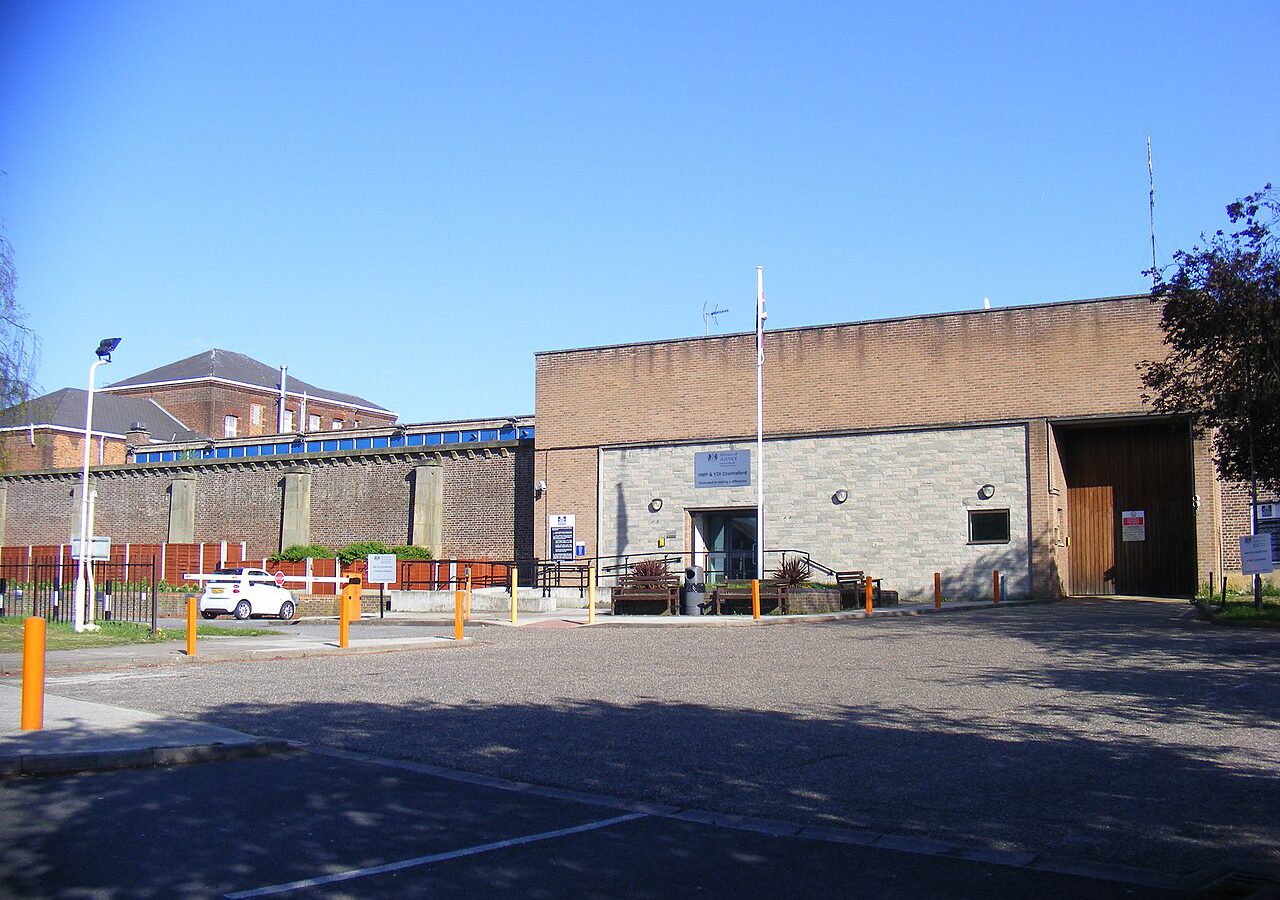
HM Chief Inspector of Prisons Charlie Taylor invoked the Urgent Notification process at HMP & YOI Chelmsford in August 2021. He described “a violent, unsafe prison in which conditions for prisoners have declined disturbingly over recent years”.
Mr Taylor wrote to Robert Buckland QC, then Lord Chancellor and Secretary of State for Justice, on 26 August 2021. The inspectorate published the letter the following day. It followed an unannounced inspection of the Essex prison between 9 and 20 August.
He said many of the prison’s failings stemmed from a negative and demoralised staff culture. That culture, he wrote, left little apparent concern for the welfare and basic needs of a complex and at times vulnerable population.
Mr Taylor said the prison met all the inspectorate’s criteria for an Urgent Notification.
What an Urgent Notification means
An Urgent Notification is a formal letter in which the Chief Inspector of Prisons tells the Justice Secretary about urgent and significant concerns at a prison. The Justice Secretary must respond publicly within 28 days, setting out how the concerns will be addressed.
The criteria include poor and repeated poor assessments against the inspectorate’s healthy prison tests, the vulnerability of those detained and failure to achieve recommendations. They also cover the inspectorate’s confidence in the prison’s capacity to change.
Mr Taylor said he would publish a full inspection report in due course. He attached a summary of the main judgements, which inspectors had shared with the governor at the end of the visit.
HMP & YOI Chelmsford is a violent, unsafe prison in which conditions for prisoners have declined disturbingly over recent years, despite attempts by HMPPS to support improvement.
Charlie Taylor, HM Chief Inspector of Prisons
Optimism in 2018 proved misplaced
Inspectors had last visited Chelmsford in June 2018. They rated safety and purposeful activity poor, the lowest grade. Purposeful activity covers education, work and time out of cell. Respect was not sufficiently good, and only rehabilitation and release planning was reasonably good.
Mr Taylor’s predecessor considered an Urgent Notification in 2018 but decided against it. Local managers and HM Prison and Probation Service had persuaded him that improvement had begun under a new governor.
Mr Taylor wrote that this optimism had proved misplaced. The prison service’s ‘special measures’ plan had been largely ineffective. A further support plan, introduced in autumn 2020, had barely begun a year later.
He said that Chelmsford, like nearly every prison, had suffered badly from COVID-19, but that “the failings we have identified are deep set”. The inspectorate had last reported positively on the prison in 2011. Of nine main recommendations made in 2018, the prison had fully achieved none.
A new governor had recently arrived. Mr Taylor said his vision and enthusiasm encouraged inspectors, but that he and his team would need significant, ongoing support.
Staff culture and safety
Although a few staff were committed and constructive, many described very low morale, disillusionment and disengagement. Staff often failed to respond to basic requests, and too many showed little empathy for prisoners.
Almost half of prisoners in the inspectorate’s survey said staff had victimised them, particularly those with disabilities and mental health problems. Leaders told inspectors that prisoners’ frustration had driven a rise in assaults on staff. Nearly a third of staff had less than two years’ experience and lacked mentoring.
Poor management oversight let bad behaviour go unchallenged. Prisoners struggled to get bedding or pillows, and emergency cell bells often went unanswered for long periods.
There had been eight self-inflicted deaths and four non-natural deaths since 2018. This was the fourth consecutive inspection to report a rising rate of self-harm. Inspectors found failings in night safety procedures and in ACCT, the case management process for those at risk of suicide or self-harm.
More than a quarter of prisoners felt unsafe at the time of the inspection, and more than half had felt unsafe at some point. Violence remained among the highest of all local prisons.
Locked up for almost 23 hours
Many prisoners spent almost 23 hours a day locked in their cells. COVID-19 restrictions partly explained this, but even in 2018 many men had spent 22 hours a day in their cells. Education had recently restarted, yet a third of the places went unused.
Mr Taylor said improvement would need strong, consistent leadership at all levels and much more effective support from the prison service.
Inspectors published their full report on this inspection in November 2021. They have reported on Chelmsford again since, with an independent review of progress in October 2022 and full inspections in May 2024 and October 2026.
About this story
This story is based on the Urgent Notification on HMP & YOI Chelmsford that HM Inspectorate of Prisons published on 27 August 2021. It covers an earlier report: the prison’s profile has the latest findings. All figures and judgements are the inspectorate’s. Read the Urgent Notification · See the prison’s profile in our directory.