HMP Berwyn had become safer since 2019 and was well led, according to a report by HM Inspectorate of Prisons published in September 2022. But inspectors found that too many prisoners spent too long locked in their cells, and that staff shortages were holding back the prison’s recovery from COVID-19.
“Berwyn is a competently run prison,” wrote HM Chief Inspector of Prisons Charlie Taylor. He said outcomes were either reasonable or improving, and that there was every reason for confidence about the prison’s immediate future.
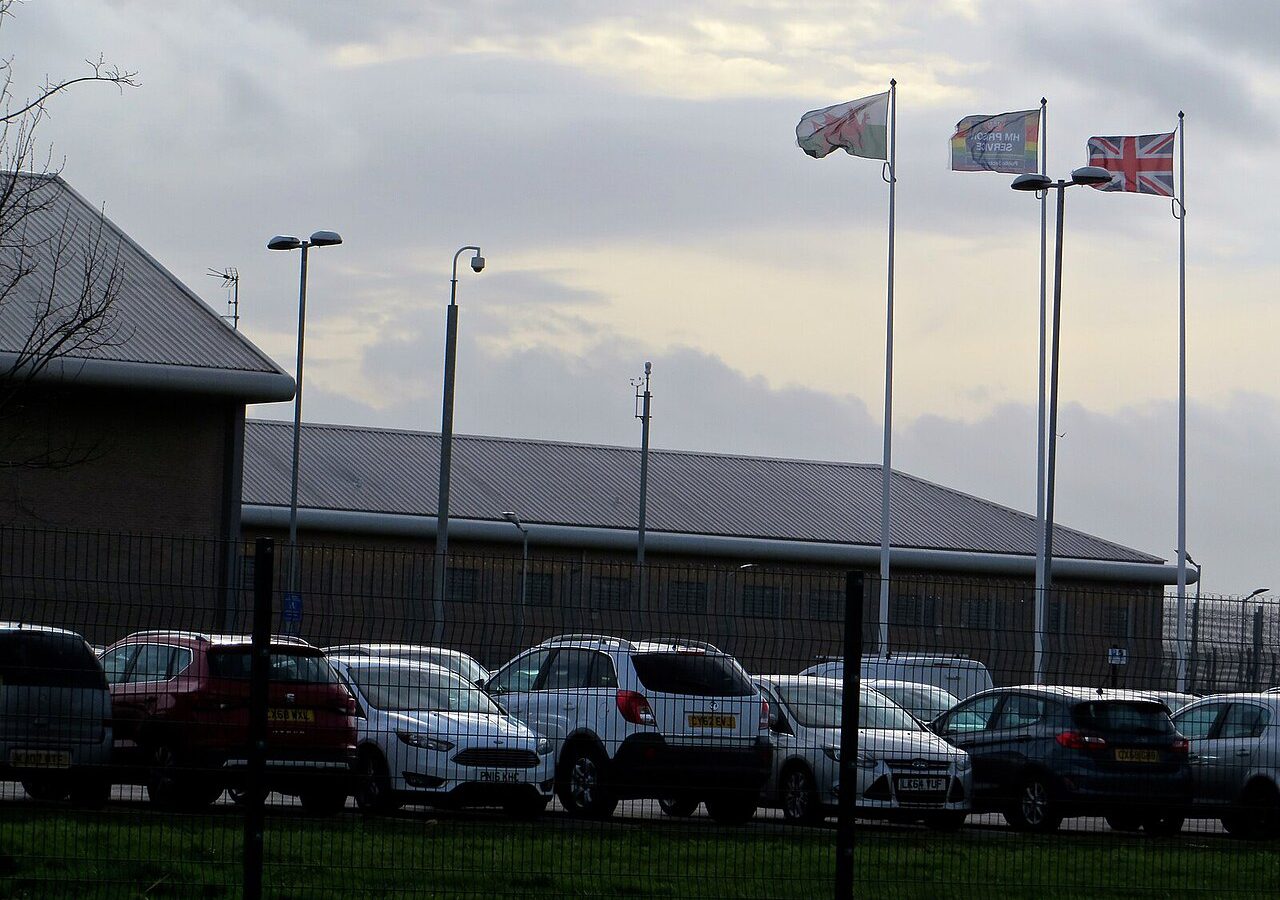
Berwyn opened in North Wales in February 2017 and was the largest public sector prison in England and Wales. It was a category C training prison that also took some men straight from the courts in North Wales. At the time of the inspection it held 1,835 men. Inspectors visited between 16 and 27 May 2022.
Safety improved
Inspectors assess prisons against four healthy prison tests, rating each as good, reasonably good, not sufficiently good or poor. At Berwyn, outcomes improved in one area and stayed the same in three.
Safety rose from not sufficiently good to reasonably good. Respect stayed reasonably good. Purposeful activity, which covers education, work and time out of cell, remained not sufficiently good. So did rehabilitation and release planning, which looks at how the prison prepares men for release.
Violence was falling, though it remained among the highest when compared with similar prisons. The atmosphere was positive and relatively calm, even with large groups of prisoners unlocked. Leaders understood the link between drugs and violence. The safety team had done promising work on debt and on prisoners who isolated themselves.
Use of force had fallen by 25% since the last inspection, and managers oversaw it well. Staff did not always use body-worn cameras effectively. The segregation unit was well managed, and the average stay there was only seven days.
There had been one self-inflicted death since the last inspection. Self-harm remained high compared with most prisons, but incidents had fallen over the previous six months.
Berwyn is a competently run prison. Outcomes were either reasonable or improving and with the capable leadership we observed, there is every reason for confidence about the prison’s immediate future.
Charlie Taylor, HM Chief Inspector of Prisons
A modern prison short of staff
Charlie Taylor wrote: “The environment, both built and external, is currently amongst the best available in the prison system”. Communal areas were clean, and most cells were spacious double cells. Prisoners valued having their own showers and in-cell technology, which gave them some control over their daily lives.
Recruiting and keeping staff was among the prison’s biggest challenges. Inspectors linked most of the weaknesses they found to a lack of experienced staff. The shortage affected relationships between staff and prisoners and slowed the return of a full regime. A severe shortage of band 3 officers, probation and health care staff hit some services.
Inspectors saw generally supportive staff. However, the prisoner survey and repeated complaints about staff pointed to clear weaknesses in staff attitudes. Too many replies to applications arrived late, and prisoners had little confidence in the process.
Health care showed the strain. Primary care staffing and inconsistent officer escorts meant waits of up to 12 months for many routine clinics. Inspectors also found that several patients had come off antipsychotic and other psychiatric medicines, and their condition had deteriorated as a result.
Too little to do
The regime was improving, but too many prisoners spent too long locked up, especially those without a job. The prison did not have enough education and work places for its population. It also failed to use all the places it had.
Attendance was poor. Often only about 60% of prisoners allocated to an activity turned up. Some men did not understand why staff had placed them on a particular course, felt it did not match their interests and disrupted classes.
Offender management also suffered. Offender managers did not meet prisoners often enough to drive sentence plans. Their work had narrowed to deadline-driven tasks such as parole reports and risk assessments.
Leadership and what followed
Inspectors found leadership strong. The governor, in post since 2019, was highly experienced and visible, and his energy set the tone. Inspectors were impressed by the prison’s self-assessment report, which set out credible priorities backed by achievable plans.
Inspectors identified 11 key concerns, four of them priorities. Of the 11 key concerns from 2019, the prison had achieved four and partially achieved one. It had not achieved the other six. Telephone and mail monitoring was in disarray, which increased the risk of harassment and further crime.
Inspectors have reported on HMP Berwyn again since, with a full inspection published in May 2025.
About this story
This story is based on HM Inspectorate of Prisons’ report on HMP Berwyn, published on 6 September 2022, following an inspection that ended in May 2022. It covers an earlier inspection: the prison’s profile has the latest findings. All figures and judgements are the inspectorate’s. Read the full inspection report · See the prison’s profile in our directory.