Violence at HMYOI Wetherby remained high and many incidents involved weapons, even though the institution held far fewer children than before. That was a central finding of HM Inspectorate of Prisons in its report, published in February 2026.
Wetherby, in Yorkshire, holds sentenced and remanded boys aged 15 to 18. It can take up to 288 children but held just 97 when inspectors visited, with fieldwork ending in November 2025.
Charlie Taylor, HM Chief Inspector of Prisons, said the governor had begun to make progress. However, he wrote that “many outcomes for children remained frustratingly unchanged since 2023”.
How the grades changed
Young offender institutions are judged against four tests: safety, care, purposeful activity and resettlement. Purposeful activity covers education, work and time out of cell. Resettlement covers preparation for release.
Wetherby scored good for resettlement, up from reasonably good. Care stayed reasonably good. Safety and purposeful activity both remained not sufficiently good.
The previous full inspection took place in late 2023, and the inspectorate published its report in March 2024. An independent review of progress followed, published in December 2024.
Of the 11 concerns raised at the last full inspection, leaders had addressed six. Four remained unresolved, and one, about girls, no longer applied. This time inspectors identified 11 key concerns, five of them priorities.
The governor had started to make progress in addressing our previous concerns, but many outcomes for children remained frustratingly unchanged since 2023.
Charlie Taylor, HM Chief Inspector of Prisons
Violence, self-harm and relationships
Inspectors found that leaders had improved how staff recorded and investigated incidents. Even so, violence continued to undermine the safety of children and staff. The rate of self-harm was very high and much higher than at comparable establishments.
Staff did not routinely carry body-worn cameras, or did not switch them on when using force. Senior leaders also lacked enough oversight of force. Meetings on the drug strategy were poorly attended and paid little attention to reducing harm.
Relationships between staff and children were inconsistent. In the inspectorate’s survey, only 49% of children said they felt cared for. Some 54% said staff had verbally abused them.
Leaders had invested in changing the culture and had introduced team leaders, who made managers more visible. But inspectors said these efforts had not yet built enough trust. Children also did not get a meaningful weekly meeting with a member of staff they knew well.
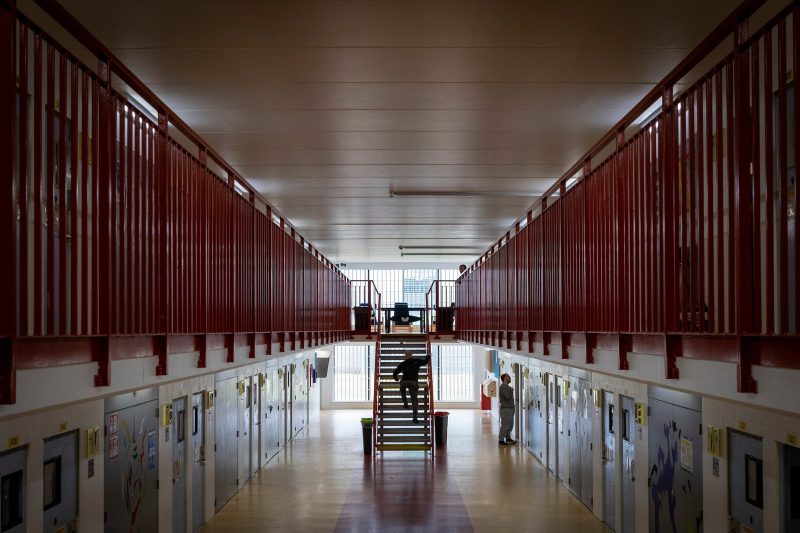
There were gains. Each living unit now mixed as one group, which had substantially increased time out of cell and relaxed the atmosphere. Units looked much cleaner and better kept than before.
Arrangements for new arrivals had also improved. Two to three children arrived each week on average, and only seven had arrived after 9pm in the previous three months. Each received a hot meal, a chance to call family and a welcome pack, which helped them avoid running up debts with other children.
Education judged inadequate
Ofsted rated education, skills and work as inadequate. Inspectors said leadership in education was very weak, teaching was poor and attendance was low. Teachers lacked targeted training, and leaders had not fixed problems found at the previous visit.
As a result, many children made slow progress and left without qualifications.
The governor had tried to compensate by expanding work. A horticulture and waste management scheme known as Q branch had created new jobs. In the survey, 29% of children said they had paid work, compared with 5% at other young offender institutions.
Some working children spent more than 11 hours a day out of cell. The governor planned to recruit four more instructors and open a laundry and bakery on site.
The Chief Inspector of Prisons noted that the fall in numbers had dramatically increased resources for each child. He said this offered a chance to speed up change on safety and education. Inspectors judged that leaders had not yet fully used it.
Strong work on resettlement
Resettlement was the clear strength. A well-resourced team worked closely with other departments and with community services. Most children had somewhere to live arranged in good time before release, which helped secure education or work placements.
Leaders had expanded release on temporary licence, which lets children spend time outside for family contact, work or education. A full-time family therapist helped children and families repair relationships. Mentors from the In2Out charity supported children after release.
Families visiting the institution fared less well. The visitors’ centre was not always open and lacked hot drinks and food, despite the long journeys many families made.
Health care leadership was effective and children could see health staff quickly. However, the Care Quality Commission required improvements to the safe management of medicines. Some children also waited too long for transfer to a mental health hospital.
About this story
This story is based on HM Inspectorate of Prisons’ report on HMYOI Wetherby, published on 9 February 2026, following an inspection that ended in November 2025. All figures and judgements are the inspectorate’s. Read the full inspection report · See the prison’s profile in our directory.