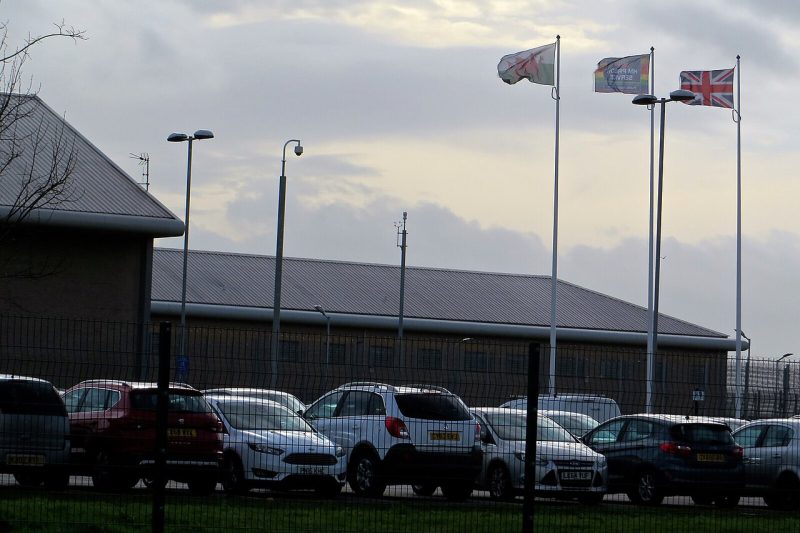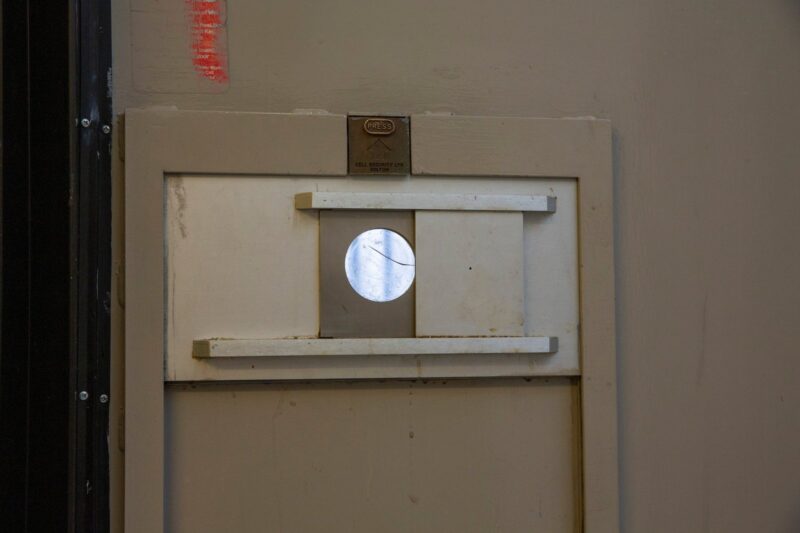
HMP Parc, for many years one of the most successful prisons in England and Wales, had suffered a serious fall in standards, inspectors found. Recorded self-harm had risen by 60% since the previous inspection. Violence was high and illicit drugs circulated widely.
HM Inspectorate of Prisons published its report in April 2025. Inspectors finished their fieldwork in January 2025.
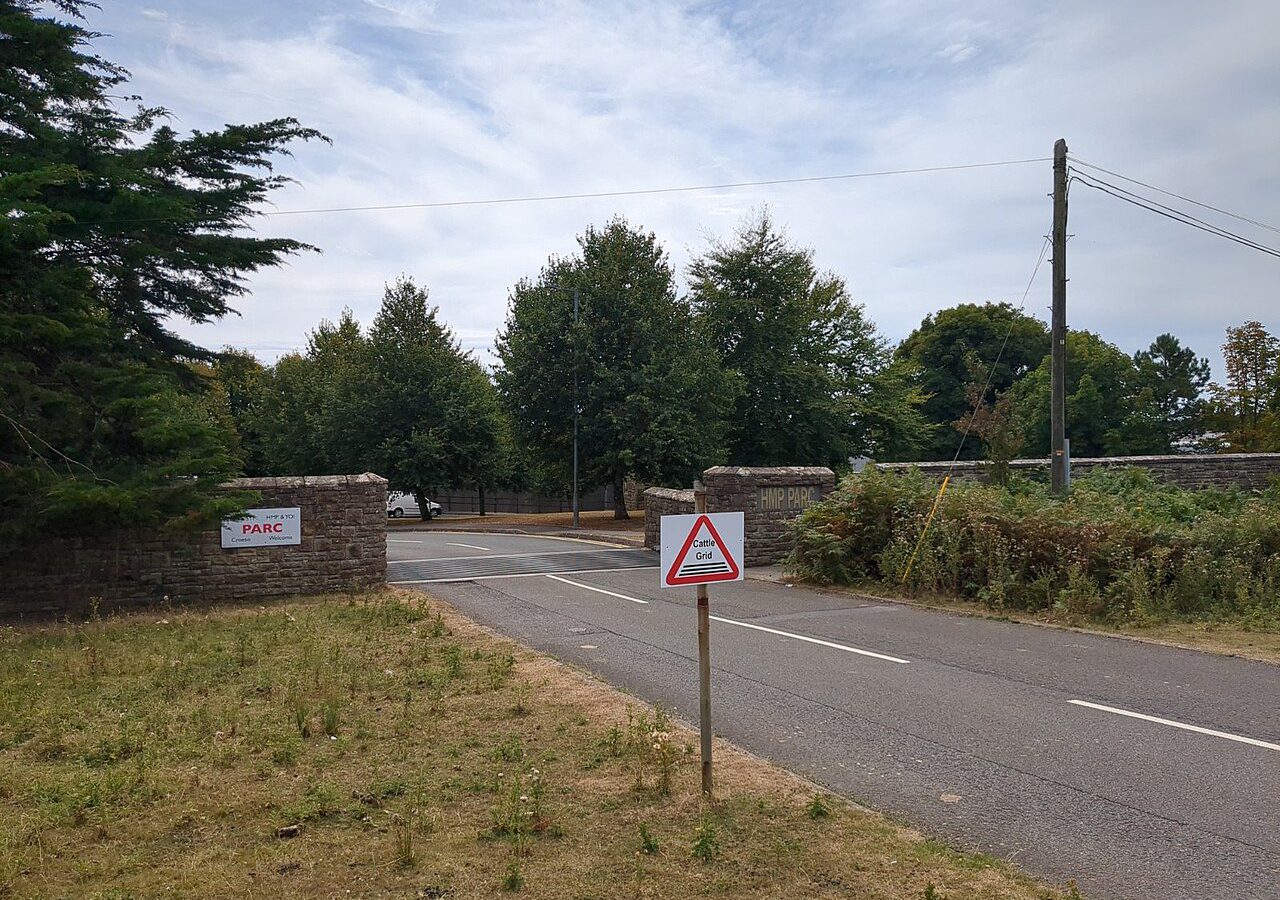
Parc stands in Bridgend, South Wales, and opened in November 1997. It was the first prison in the UK built under the private finance initiative. The private company G4S runs it.
The category C resettlement prison holds convicted adult and young men, along with men convicted of or on remand for sexual offences. It held 1,700 men during the inspection, against an operational capacity of 1,788. The site also contains a small unit for children, which the inspectorate inspects separately.
A steep fall in the grades
The inspectorate judges each prison against four healthy prison tests: safety, respect, purposeful activity and preparation for release. Purposeful activity covers education, work and time out of cell. Each test receives one of four grades: good, reasonably good, not sufficiently good or poor.
Parc received the lowest grade, poor, for safety. Inspectors rated it not sufficiently good for respect, purposeful activity and preparation for release.
The contrast with earlier visits was stark. In 2022 inspectors rated Parc reasonably good for safety, respect and rehabilitation and release planning, and good for purposeful activity. In 2020 they had judged it good for both respect and purposeful activity.
Inspectors also found that leaders had not addressed any of the three priority concerns raised in 2022. This time they listed 14 key concerns, eight of them priorities.
Parc was also severely troubled by the ingress of drugs, with a particular risk posed by the incursion of drones.
Charlie Taylor, HM Chief Inspector of Prisons
Drugs, deaths and drones
Drugs sat at the centre of the decline. Charlie Taylor, HM Chief Inspector of Prisons, wrote: “Parc was also severely troubled by the ingress of drugs, with a particular risk posed by the incursion of drones.”
The report linked a cluster of deaths between February and May 2024 to synthetic opioids. There were also three self-inflicted deaths around the same time. The tragedies deeply affected staff and prisoners alike, and drew public and political attention in Wales and Westminster.
In the inspectorate’s survey, fifty-seven per cent of prisoners said illicit drugs were easy to get. Availability was far higher on the main A and B wings. On those wings, 34% of prisoners said they had developed a drug or alcohol problem since arriving at Parc. Nearly a third of random drug tests came back positive.
The security team had made nearly 900 drugs finds in the previous year. The prison had also worked with Bath University on new drug detection technology, which inspectors listed as notable positive practice. Even so, too many drugs still got in. Work to fit new windows that would block drone deliveries had only recently started, and enhanced gate security was not yet in place.
Prisoners told inspectors that boredom, long periods locked up, an inconsistent daily routine and not having enough to eat fed the violence. Inspectors judged that leaders understood the causes of violence only to a limited degree. Self-harm, already too high in 2022, had climbed further, and too little work tackled its causes.
Leadership after the contract change
G4S won a 10-year contract to run Parc in 2022 after a procurement. It had already delivered operations at the prison under a subcontract since it opened. The report found that the transition had destabilised the prison and that standards fell significantly as a result.
The longstanding director and her deputy both retired around the time the contract changed. Her replacement did not stay long. Staff sickness and turnover rose, morale dropped and the prison struggled to fill vacancies.
A new and experienced director arrived in June 2024. Inspectors found he had stabilised the leadership team and improved recruitment, retention and morale among officers. After a recruitment drive, the prison had its full quota of officers. Around half of them had less than two years in post, so leaders had put extra support in place.
There had been no further drug-related or self-inflicted deaths since his arrival. Violence had begun to fall over the previous year. The Chief Inspector of Prisons wrote: “Inspectors left the jail with some assurance that Parc had begun to recover, morale was better, and pride was beginning to return.”
Regime, care and what came next
Prisoners in work could expect to spend up to 10 hours a day out of their cells. Slow allocation to work, training or education left many willing men locked up for up to 21 hours a day.
In 2022 inspectors had praised specialist units for veterans, young prisoners, fathers and men with learning difficulties. This time they found the quality of those units had dropped, despite some dedicated staff. The incentivised substance-free living unit offered no meaningful recovery opportunities.
Mental health and substance misuse services lacked the resources to meet prisoners’ needs. Contact with offender managers was infrequent, and inspectors found gaps in public protection arrangements. Food at mealtimes was not always adequate, and library access remained too limited.
Inspectors did highlight one inventive scheme. Parc Tank helped men due for release to develop a business plan and pitch it to a panel, with prizes to invest in their ideas after release.
The Chief Inspector of Prisons said optimism was possible if the current director stayed in post and received support from G4S and the prison service. The inspectorate later published an independent review of progress at Parc, in February 2026. That follow-up visit assessed progress against the key concerns from this inspection.
About this story
This story is based on HM Inspectorate of Prisons’ report on HMP Parc, published on 23 April 2025, following an inspection that ended in January 2025. All figures and judgements are the inspectorate’s. Read the full inspection report · See the prison’s profile in our directory.