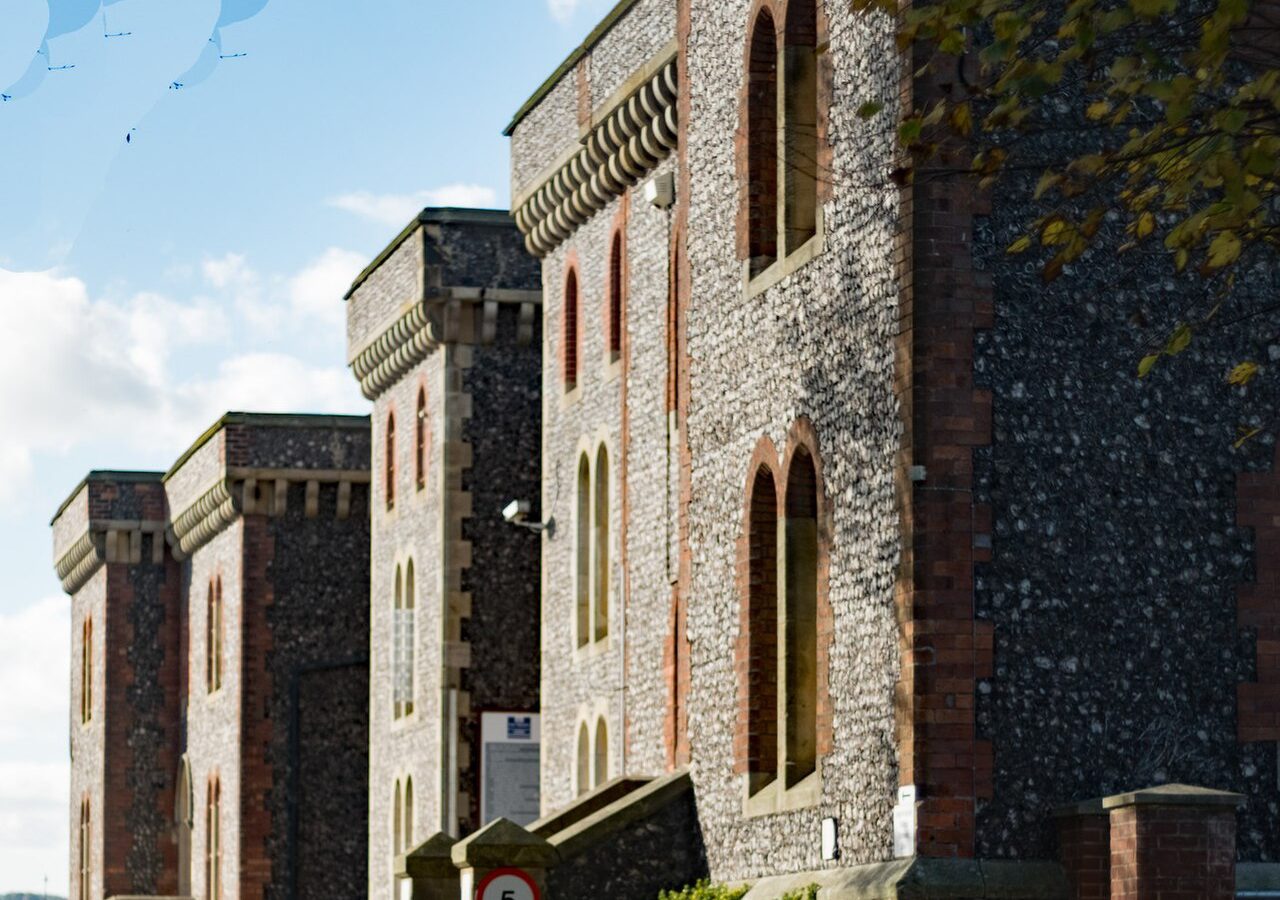
HMP Lewes was “evidencing very clear progress”, according to HM Inspectorate of Prisons. Inspectors judged outcomes reasonably good for respect and for preparation for release, up from not sufficiently good at the 2024 inspection.
The inspectorate’s report, published in September 2025, followed fieldwork that ended in June 2025. It described a prison that felt calm, ordered and purposeful, despite old buildings and a fast-changing population.
Lewes is a Category B reception and resettlement prison for adult and young adult men in the South East. It held 558 men during the inspection, against an operational capacity of 620. Some 65% were on remand or unsentenced, and 85% had been there for less than six months.
Three grades improve
Inspectors rated safety and purposeful activity, which covers education, work and time out of cell, as not sufficiently good. They rated respect and preparation for release reasonably good.
At the 2024 inspection, Lewes scored not sufficiently good on three tests and poor for purposeful activity. This time three of the four grades rose, and none fell.
Of the 15 concerns raised in 2024, the prison had addressed four, partly addressed five and left five unaddressed. One no longer applied. Inspectors this time raised 15 key concerns, two of them priorities. Those priorities were drugs and the lack of work or activity.
Chief Inspector of Prisons Charlie Taylor said he was impressed by the leadership. He credited the governor and senior team with clear priorities and a more cooperative culture. Staff morale had risen and retention had improved. The prison had also recruited a full complement of staff.
Overall, however, we found a prison that, commendably, was evidencing very clear progress.
HM Inspectorate of Prisons report
Safety: violence down, self-harm high
The prison had cut violence and improved its early days support. It now sought feedback from new arrivals. Yet more people arrived late, and safety interviews lacked privacy. Inspectors said both problems hindered support and the spotting of risk.
Self-harm remained higher than at most similar prisons. Safeguarding arrangements were inconsistent. Use of force had risen, and although oversight had improved, leaders did not always use data to draw lessons.
Drugs were too freely available, and support for prisoners with addictions fell short. Over the past year, 1,560 prisoners had been referred to substance misuse services.
Respect, living conditions and inclusion
Relationships between staff and prisoners were a clear strength. In the inspectorate’s survey, 80% of prisoners said staff treated them with respect.
Living conditions varied widely. A team of skilled prisoners, known as the Lewes Assurance and Multi-Skills team, had refurbished many areas to a good standard. Inspectors listed this as notable positive practice. Still, much of the building, which dates from 1853, remained in poor condition. Graffiti was common, fittings were stained or damaged and heating and hot water were unreliable.
Prisoners felt very negative about the food. Lunch portions appeared small and meals came too early. The applications system, through which prisoners make routine requests, did not work well.
Equality work had stalled. Black and minority ethnic prisoners still faced disparities in treatment that leaders had not tackled. By contrast, a dedicated neurodiversity unit on K wing gave tailored support from trained staff. The chaplaincy played a strong part in inclusion. Patients also spoke highly of health care staff, who sometimes went with anxious patients to hospital appointments.
Work, education and release
Time out of cell had improved and the regime ran more reliably. Even so, 40% of prisoners had no job. Ofsted, which inspects prison education, judged education, skills and work as requiring improvement.
Managers often booked medical and legal appointments during activity times, which kept attendance low and erratic. Teaching quality varied, and some tutors did not stretch more able learners. Workshops recorded progress poorly, so prisoners struggled to see what skills they had gained. The gym and library, however, were well used.
Preparation for release had moved forward. A well-led pre-release team ran initiatives such as a pre-release café and through-the-gate mentoring. Staff had helped over 600 prisoners obtain ID and right-to-work documents in the past year. Dedicated offender managers now met remanded and unsentenced men on arrival.
Housing remained the main gap. Some 20% of prisoners left without an address to go to, and the prison had no strategic housing lead. Visits capacity also fell short of demand.
Mr Taylor said there was “much to do”. He added that the confident approach among leaders gave inspectors confidence that the prison could continue to improve.
About this story
This story is based on HM Inspectorate of Prisons’ report on HMP Lewes, published on 8 September 2025, following an inspection that ended in June 2025. All figures and judgements are the inspectorate’s. Read the full inspection report · See the prison’s profile in our directory.