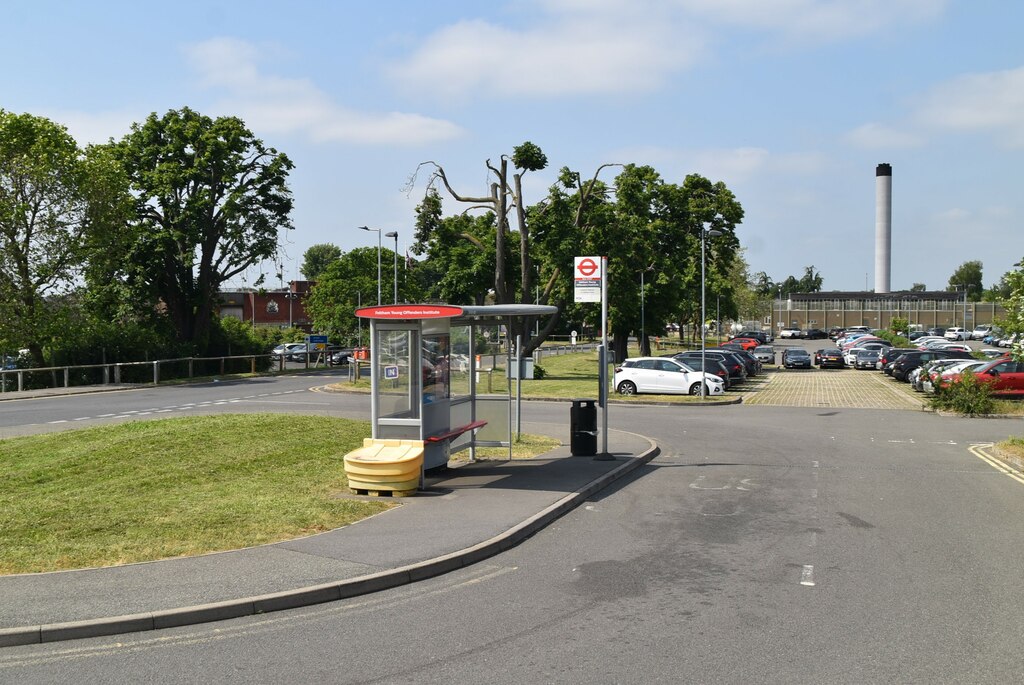
Violence at Feltham A, the young offender institution for boys aged 15 to 18 in West London, remained the highest of any prison in the country, according to an inspection report published in August 2025.
Inspectors visited in June 2025. They found that levels of violence had started to fall in recent months, but the site was still far from safe. Charlie Taylor, HM Chief Inspector of Prisons, wrote: “Feltham remains a troubled institution that is still not nearly safe enough.”
He also said inspectors left with some optimism after a troubled 18 months. A new interim governor and deputy took over in January 2025 and had begun to make progress.
Grades unchanged from 2024
Children’s establishments face four tests: safety, care, purposeful activity and resettlement. Feltham A scored poor for safety and for purposeful activity, which covers education, training and time out of cell. It rated reasonably good for care and for resettlement, the work to prepare children for release.
These were the same scores as at the previous full inspection, published in July 2024. The inspectorate had also carried out an independent review of progress in between, published in November 2024.
Of 10 concerns raised in 2024, leaders had addressed four and left six unresolved. They had dealt with three of the five concerns about purposeful activity, but neither of those on resettlement.
At the time of the visit, Feltham A held 94 children against an operational capacity of 126. Just over half, 53%, were on remand, meaning they were awaiting trial or sentence. Some 76.4% came from black and minority ethnic backgrounds.
Feltham remains a troubled institution that is still not nearly safe enough.
Charlie Taylor, HM Chief Inspector of Prisons
Sickness and inconsistent rules
Staff sickness at Feltham ranked among the highest in the country. Inspectors linked this partly to violence and instability. As a result, staffing on each unit was unpredictable, and boys often did not know the officers on duty.
Inspectors found behaviour management ineffective. They saw rules go unenforced, poor behaviour rewarded and children reacting aggressively to staff. Meaningful rewards and sanctions were missing, so children had little reason to change.
Use of force was too high, and leaders had no plan to reduce it. Staff did not routinely activate body-worn cameras, and oversight had weakened since 2024. Self-harm was also too high, while care planning for children at risk was weak.
Inspectors flagged an emerging problem with illicit substance use among children. Staff did not carry out intelligence-led testing and searching consistently.
The Chief Inspector of Prisons said clear rules, enforced by confident staff with backing from senior leaders, would make the site safer for children and staff alike.
Twenty hours behind the door
Boys who were not on the enhanced units spent 20 hours a day locked in their cells. The Chief Inspector of Prisons called this completely unacceptable for energetic boys and young men. Some described long hours watching daytime television with nothing else to do.
Ofsted, which assessed education alongside the inspectorate, was positive about some of the teaching. Attendance, however, was very poor. Education, gym and library sessions often fell through at short notice. Children did not receive their full entitlement to education, and vocational training was too limited.
Daily delays in moving children to lessons and health appointments continued. Some health appointments were cut short or missed as a result.
Reading support also fell short. Teachers lacked enough training in phonics, and children had too little access to the library. On resettlement, staff often found housing too close to a child’s release date. That left little time to plan education, training or work in the community.
Signs of progress
Leaders had reduced the number of ‘keepapart’ lists, which stop certain children from mixing. That change allowed better daily routines on some units. The Alpine unit, which supports some of the most troubled boys, had reopened with a committed staff team.
Reception worked well. In the inspectorate’s survey, 80% of children said staff treated them well on arrival. A dedicated first night and induction unit had opened two weeks before the inspection, and staff and children said it was a significant improvement.
Inspectors found three examples of notable positive practice. One was training children as ‘zero responders’, people who give first aid before professionals arrive. Another involved the mental health team helping to recruit youth justice workers.
In total, inspectors raised 12 key concerns, seven of them priorities. The inspectorate published a further independent review of progress at Feltham in July 2026.
About this story
This story is based on HM Inspectorate of Prisons’ report on HMYOI Feltham A, published on 26 August 2025, following an inspection that ended in June 2025. All figures and judgements are the inspectorate’s. Read the full inspection report · See the prison’s profile in our directory.