
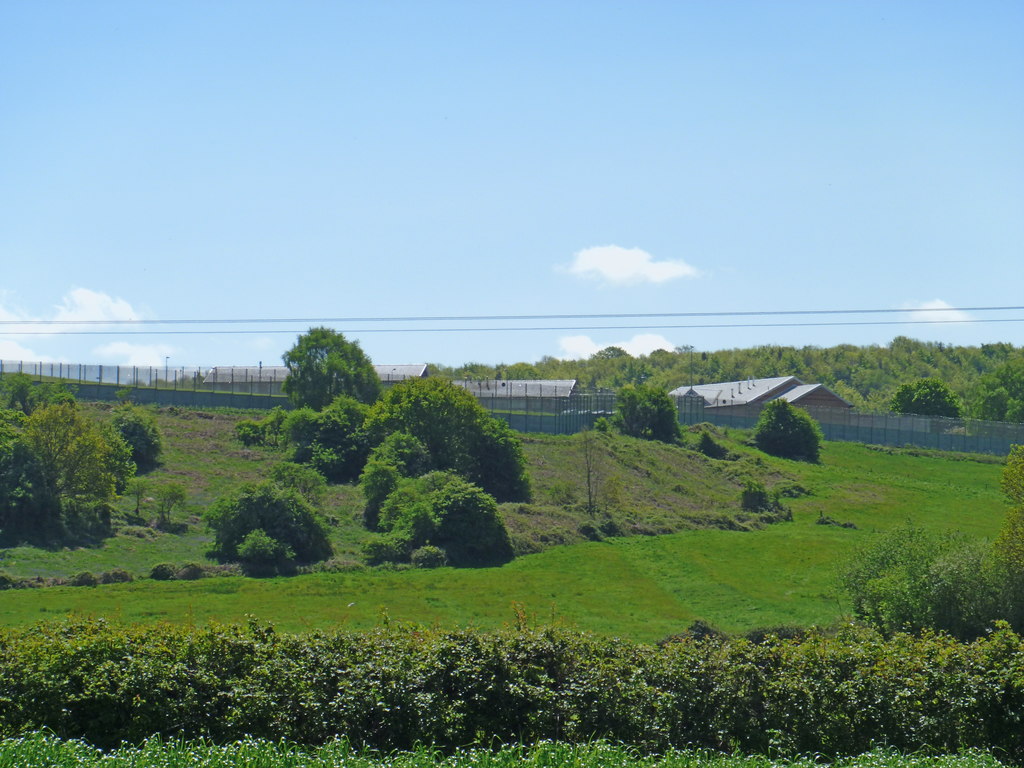
Prisoners at HMP/YOI Erlestoke spent too long with nothing to do, and drug-taking was rife, according to an inspection report published in September 2024.
Inspectors visited the category C training and resettlement prison in rural Wiltshire in June 2024. They rated it poor for purposeful activity, the test that covers education, work and time out of cell. It was the lowest of the four grades available.
Charlie Taylor, HM Chief Inspector of Prisons, said the jail had lost momentum. A 2022 review had found it beginning to make progress with extra funding from the prison service. In his words, “momentum has been lost and the improvements have not been sustained.”
Grades and background
Erlestoke scored not sufficiently good for safety and for respect. Preparation for release, which looks at resettlement work before men leave, scored reasonably good.
At the previous full inspection, in 2021, inspectors had rated all four areas not sufficiently good. Purposeful activity has therefore fallen a grade, while release planning has risen one.
The prison held 503 men when inspectors visited, against an operational capacity of 512. According to the Chief Inspector of Prisons, it holds men serving sentences of over 10 years. In all, 38% of prisoners were serving a life or indeterminate sentence for public protection (IPP). Since 2018, Erlestoke has also held young offenders in closed conditions.
Of 13 key recommendations from 2021, inspectors judged that the prison had achieved only one. It had partly achieved two and failed to achieve 10. None of the earlier recommendations on safety or purposeful activity had been met.
I am therefore disappointed to report that momentum has been lost and the improvements have not been sustained.
Charlie Taylor, HM Chief Inspector of Prisons
Locked up and bored
Twenty-three per cent of prisoners had no job. During checks in the working day, inspectors found 31% of prisoners locked in their cells. Men without education, training or work got out of their cells for only three hours a day. They spent just half an hour in the large, well-kept grounds.
Workshops that should have been busy, such as bricklaying and textiles, had closed. In the bulk hardware workshop, men doing routine tasks lacked enough work to fill their time.
English and maths classes had long waiting lists, yet attendance often stayed poor. The Chief Inspector of Prisons called the teaching of reading unacceptable. He said it relied too heavily on Shannon Trust mentors rather than a whole-prison strategy. Inspectors also judged the curriculum unsuitable for the population.
Many prisoners told the Chief Inspector of Prisons they felt bored. He said this was very likely the reason drugs had become such a problem.
Drugs, violence and self-harm
In the inspectorate’s survey, 60% of prisoners said drugs were easy to get. Random drug tests had come back positive in 32% of cases over the previous year. The prison’s long perimeter borders woodland and fields, and leaders had worked with police and other agencies to cut supply.
The drug treatment unit did very good work with men facing addiction. However, the drugs team lacked a trained prescriber. As a result, staff did not properly supervise men on opiate substitution therapy, a treatment that replaces illicit opiates with prescribed medicine.
Assaults between prisoners had recently fallen, but the number of serious assaults stayed high. Officers did not routinely switch on body-worn cameras, and use-of-force paperwork was poor. Inspectors found some examples of disproportionate force and an inappropriate use of PAVA, an incapacitant spray.
Recorded self-harm was very high. The prison had not done enough to understand its causes or to support the men involved. First night cells were dirty, food portions were too small, and clinical governance in health care was weak.
A new governor and cautious optimism
A new governor took up post in January 2024. Staff spoke positively about her leadership, and inspectors found better relationships between staff and prisoners than in 2021. Podcasts from the governor and in-cell laptops had improved communication.
Staff turnover remained a challenge. Some 17% of officers had left in the previous year, many within six months of starting. The Chief Inspector of Prisons said this suggested the prison service was failing to filter out unsuitable candidates.
Inspectors raised 15 key concerns in total, five of them priorities. They also praised one example of notable positive practice: scrutiny panels that reviewed complaints of discrimination and made the process more transparent for prisoners.
The Chief Inspector of Prisons described Erlestoke as a jail with enormous potential and many frustrated men keen to progress. With the right support, he said, there was reason for cautious optimism.
The inspectorate published an independent review of progress at Erlestoke in June 2025, which followed up the concerns raised in this report.
About this story
This story is based on HM Inspectorate of Prisons’ report on HMP & YOI Erlestoke, published on 16 September 2024, following an inspection that ended in June 2024. All figures and judgements are the inspectorate’s. Read the full inspection report · See the prison’s profile in our directory.



