HMP Bedford had the highest rate of violence of any adult male prison in England and Wales, inspectors found. Yet the same report described a prison that had made good progress after a troubled recent history.
HM Inspectorate of Prisons published its report in October 2026. Inspectors completed their fieldwork in August 2026.
Bedford is a category B reception prison for men, which means it takes in men from local courts. It serves the courts of Hertfordshire and also has a resettlement function. It held 297 men at the time of the inspection, against an operational capacity of 378.
How inspectors graded Bedford
The inspectorate assesses every prison against four healthy prison tests: safety, respect, purposeful activity and preparation for release. Purposeful activity covers education, work and time out of cell. Each test receives one of four grades: good, reasonably good, not sufficiently good or poor.
Inspectors judged outcomes at Bedford not sufficiently good for safety, respect and preparation for release. They rated purposeful activity poor.
Those grades still mark progress. At the previous full inspection, published in February 2024, inspectors rated safety, respect and purposeful activity poor. Preparation for release scored not sufficiently good on both occasions.
In November 2023 the Chief Inspector of Prisons issued an Urgent Notification on Bedford. That formal step tells the Justice Secretary of urgent and significant concerns, and the government must respond publicly within 28 days. The report says the inspectorate has issued two such notifications at Bedford in the past ten years because of safety concerns.
Inspectors also carried out an independent review of progress at Bedford in October 2024. That follow-up visit checks how far a prison has acted on earlier concerns.
Charlie Taylor, HM Chief Inspector of Prisons, wrote that Bedford still had a long way to go. It was not yet a safe and decent prison. He also said the governor, her senior team and staff deserved congratulations for their progress.
There had been considerable improvement in the regime, which was now the best of any reception prison we have inspected since the pandemic.
HM Inspectorate of Prisons report
Violence, drugs and behaviour
The prison’s own data showed a rate of overall violence of 938 incidents per 1,000 prisoners in the 12 months before the inspection. That rate had risen compared with the same period before the previous inspection.
There had been 151 assaults on staff and 205 on prisoners over the year. Bedford also had the highest rate of staff assaults nationally. In the inspectorate’s survey, 29% of respondents said they currently felt unsafe, a similar figure to last time.
Inspectors linked the very high violence to inconsistent behaviour management and the widespread availability of drugs. A quarter of random mandatory drug tests came back positive for illicit substances.
The incentives scheme did little to promote good behaviour or discourage poor conduct. Inspectors saw frequent low-level poor behaviour, and staff left much of it unchallenged.
Adjudications, the prison’s internal disciplinary hearings, had risen to 3,585 in the past year. Only half ended with the charge proven, which inspectors considered low.
Use of force had also risen, to 570 incidents in 12 months. Staff used PAVA incapacitant spray six times. Inspectors judged that staff had used force appropriately in every incident they reviewed, and they often tried to calm situations first.
There were real gains too. Leaders had much stronger oversight of violence and understood its causes. They had introduced an assertive outreach service for vulnerable men, restorative justice and safety drop-in clinics on the wings. Self-harm had fallen.
Serious protests such as incidents at height, barricades and cell fires had dropped sharply. The old, squalid segregation unit had closed. Its replacement on another wing offered much more decent conditions, and stays averaged eight days.
A better regime, but too little to do
Time out of cell showed the clearest improvement. Inspectors wrote: “There had been considerable improvement in the regime, which was now the best of any reception prison we have inspected since the pandemic.”
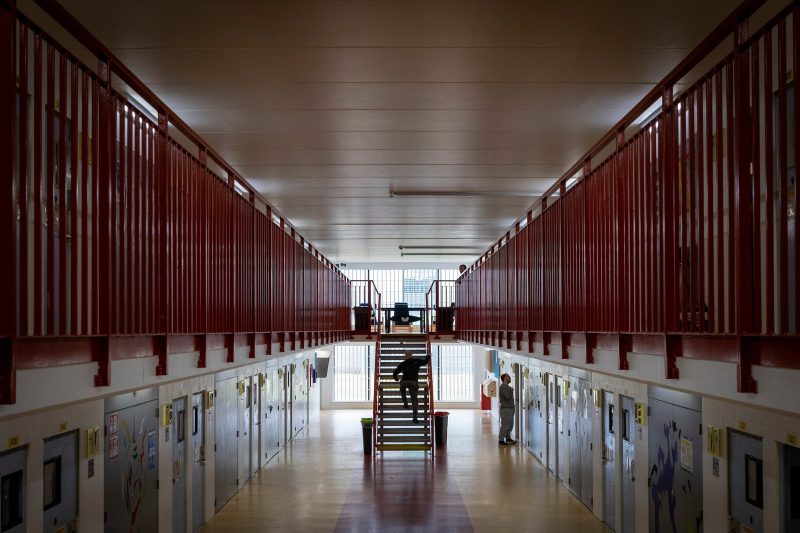
Men in work spent 10 hours a day out of their cells from Monday to Thursday. At weekends, everyone had 6.5 hours a day unlocked. The report credited the governor’s focus on time out of cell with easing tension on the wings.
Even so, purposeful activity remained poor. The prison lacked enough activity spaces for its population, and delays in allocating men to activities made matters worse. Inspectors saw many men loafing around the wings, with few activities on offer there.
The library offered a good service but was hard to reach. Gym equipment often lay broken, and staffing meant only 12 men could attend many sessions.
Men did not start education, skills and work early enough, which mattered given the high turnover. Attendance was too low. The curriculum lacked breadth and ambition, and teaching was inconsistent, particularly in workshops.
The young adults’ wing stood out as one of the most impressive parts of the jail. Men there had even more time unlocked than elsewhere. The unit had reasonable self-cook facilities and a varied programme that taught life skills such as conflict resolution. It also offered support through the Stride programme.
Living conditions, health and release
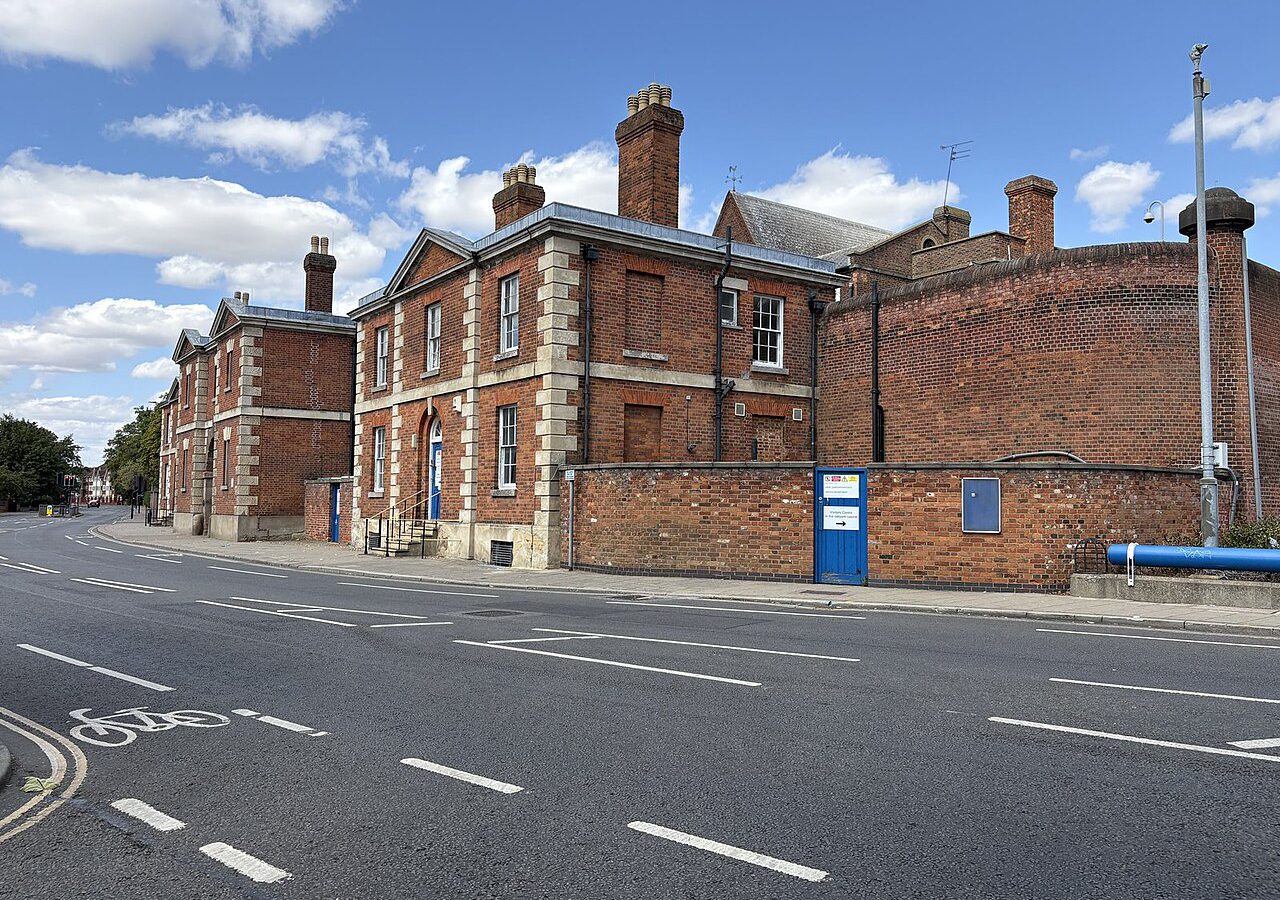
Living conditions remained unsatisfactory. The prison is old and dilapidated, with broken windows and faulty CCTV. Most men shared cramped cells designed for one, and toilet screening was rudimentary.
Communal areas were frequently dirty. The pest control contract, which national leaders manage, failed to control cockroaches, rats and pigeons. Inspectors said national prison service leaders had not provided the resources to fix the failing infrastructure.
Health care had improved considerably, especially mental health support, which had previously been very poor. Help for men with drug or alcohol addiction had also improved. However, men who arrived late and needed detoxification could not get safe prescribing support. The prison also had no out-of-hours store for critical medicines.
Contact with families remained a weakness. Only 41% of survey respondents said staff had offered them a phone call before lock-up on their first night. Booking social visits was difficult, and video call times did not suit prisoners.
The offender management unit, which handles sentence planning and risk, worked much better. But just 25 men left with a job to go to, and far too many left homeless or in unstable accommodation.
Public protection arrangements had significant weaknesses. Attendance at a key risk management meeting was poor, and staff did not always carry out required mail and phone monitoring.
A fragile prison facing change
The report credited the governor, who arrived in 2024, with driving improvements in key areas. She had strengthened her leadership team and focused on training and keeping prison officers. At the time of the inspection, 86% of frontline staff had more than two years’ experience.
However, the governor and other key senior leaders were about to leave. Mr Taylor urged regional and national leaders to fill those roles quickly. “Bedford is a fragile establishment, and it is essential that hard-won ground is not lost,” he wrote.
Inspectors raised 13 key concerns, seven of them priorities for immediate action. They also highlighted two examples of notable positive practice: the assertive outreach service and the young adults’ unit.
About this story
This story is based on HM Inspectorate of Prisons’ report on HMP Bedford, published on 26 October 2026, following an inspection that ended in August 2026. All figures and judgements are the inspectorate’s. Read the full inspection report · See the prison’s profile in our directory.