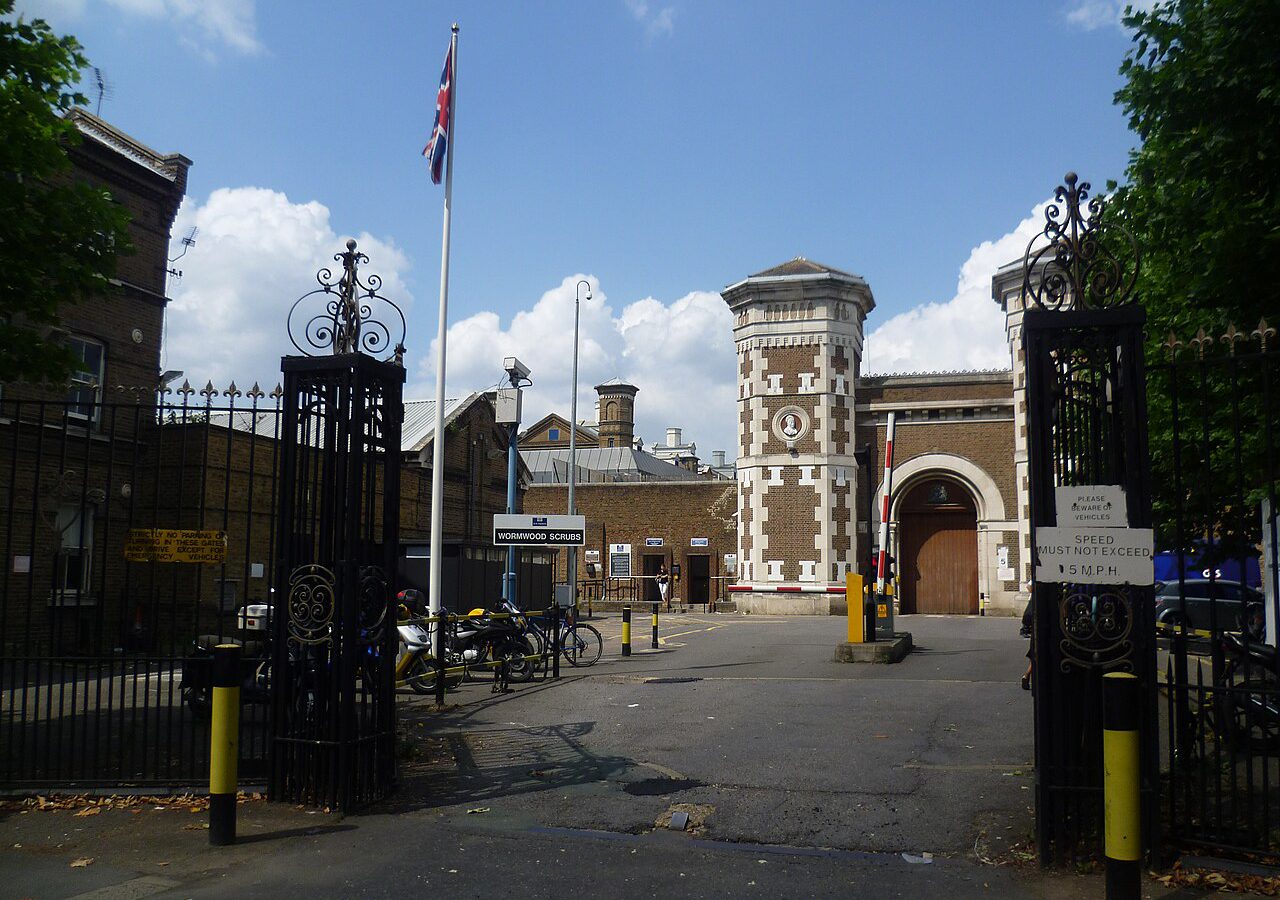
HMP Wormwood Scrubs had become safer and calmer, but most prisoners spent 23 hours a day in their cells, inspectors found. The inspectorate published its report in September 2021.
HM Inspectorate of Prisons visited the west London prison between 7 and 17 June 2021. Inspectors found that the prison had kept up much of the progress seen at their previous visit in 2019.
The report said: “The prison feels calm and well-ordered.” Inspectors who knew the prison well noticed a better atmosphere than in the past.
HM Chief Inspector of Prisons Charlie Taylor said the main challenge for leaders was to sustain safety while greatly increasing time out of cell.
How inspectors graded Wormwood Scrubs
Inspectors judge prisons against four healthy prison tests: safety, respect, purposeful activity, and rehabilitation and release planning. Purposeful activity covers education, work and time out of cell.
Wormwood Scrubs scored reasonably good for safety, an improvement on not sufficiently good in 2019. Respect remained reasonably good. The prison scored not sufficiently good for purposeful activity and for rehabilitation and release planning.
The category B local prison held 1,079 men during the inspection. A third were foreign nationals, more than half came from black, Asian or minority ethnic backgrounds, and two-thirds had yet to receive a sentence.
The prison had a troubled recent history. In 2017, inspectors described the ‘intractability and persistence of failure’ there. By 2019, they found a much-improved situation.
The prison feels calm and well-ordered and inspectors who knew the prison well noted a better atmosphere than in the past.
HM Inspectorate of Prisons report
A safer prison
Violence had fallen substantially. Assaults on staff and the use of force had continued to drop. The rate of assaults between prisoners was one of the lowest of all local prisons.
However, the prison did not use its data to analyse patterns of violence or plan further progress. Gang and crime-related problems often came in from the community. Staff did not always investigate violent incidents thoroughly.
Inspectors noted that falling violence partly reflected the long hours men spent in their cells. This came at the expense of work, education and time to socialise.
Self-harm had fallen substantially and was lower than at comparable prisons. It had already been falling before the pandemic. There had been three self-inflicted deaths since the previous inspection, and the prison had not put every recommendation from the Prisons and Probation Ombudsman into effect.
The Listener scheme, in which the Samaritans train prisoners to give confidential emotional support to others, was particularly impressive. It had continued to thrive during the pandemic, while similar schemes withered at some prisons.
Staff drew batons on seven occasions in the previous year. Paperwork showed this had been proportionate each time. Some security practices went too far, including routine strip-searching in reception and segregation. Use of segregation had fallen, and prisoners usually returned to the main population quickly. The segregation unit was clean, and its cells had telephones, but toilets had no seats or lids.
Locked up and waiting for education
Leaders had not shown the ambition seen elsewhere in increasing time out of cell. Some 118 prisoners shared cramped, often ill-ventilated cells designed for one person. In-cell telephones at least helped men keep in touch with family and friends.
The education provider had reopened services too slowly and told prisoners little about the courses on offer. Because of poor planning for a return to face-to-face teaching, “classrooms were empty while prisoners were languishing behind their doors”, the report said. Tutors often produced low-quality in-cell education packs.
In the inspectorate’s survey, 62% of prisoners said staff treated them with respect. About a quarter of staff had started work as officers during the pandemic. Many recent recruits had not yet experienced anything like a normal regime, and training had fallen behind.
Leaders had worked hard on the infrastructure, with ongoing improvements to windows, serveries, the visits hall and showers. Officers took pride in the cleanliness of their wings. Almost 80% of surveyed prisoners said the food was bad. Key work had improved since March 2021 but remained inconsistent. Prisoners had little confidence in the complaints system.
Health services had strong leadership. The prison had acted decisively on COVID-19 outbreaks, and no prisoner had tested positive for four months. The chaplaincy had visited prisoners every week from the start of the pandemic.
After the 2019 inspection, inspectors made 34 recommendations, 13 of them about key concerns. On safety, the prison had partly achieved one of three key recommendations. On rehabilitation and release planning, it had achieved one of four and partly achieved another.
Since this report
Inspectors have reported on HMP Wormwood Scrubs again since. A full inspection report appeared in September 2025, followed by an independent review of progress in April 2026.
About this story
This story is based on HM Inspectorate of Prisons’ report on HMP Wormwood Scrubs, published on 9 September 2021, following an inspection that ended in June 2021. It covers an earlier inspection: the prison’s profile has the latest findings. All figures and judgements are the inspectorate’s. Read the full inspection report · See the prison’s profile in our directory.