HMP Woodhill was not safe enough, and its inability to recruit and keep staff lay behind most of its problems, inspectors found. The inspectorate published its report in December 2021.
HM Inspectorate of Prisons visited the Milton Keynes prison between 13 and 24 September 2021. Seven self-inflicted deaths had occurred since the previous inspection in 2018.
HM Chief Inspector of Prisons Charlie Taylor wrote: “Our findings at this inspection were disappointing.” Outcomes had stayed the same in two of the four healthy prison tests and declined in the other two.
He said HM Prison and Probation Service should take stock of what was happening at Woodhill. Local leaders needed more support, and the prison needed a deliverable plan to recruit, retain and equip staff.
How inspectors graded Woodhill
Inspectors judge prisons against four healthy prison tests: safety, respect, purposeful activity, and rehabilitation and release planning. Purposeful activity covers education, work and time out of cell.
As in 2018, Woodhill scored poor, the lowest grade, for safety and for purposeful activity. Respect fell from reasonably good to not sufficiently good. Rehabilitation and release planning also declined to not sufficiently good.
Since 2018, Woodhill had changed from a core local prison to a category B training prison. It still held several remanded category A prisoners and ran several specialist units. The report called it a complex and high-risk institution.
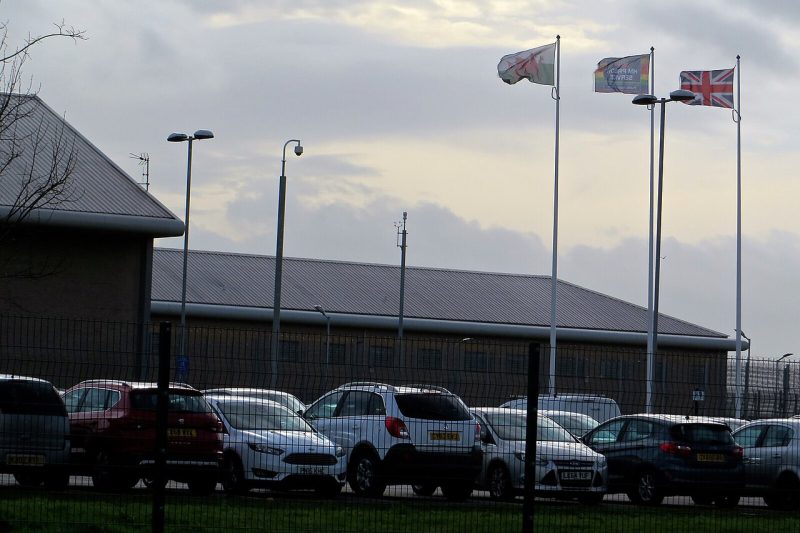
The prison opened in 1992 as a series of house blocks within a secure campus. It held 501 men during the inspection, about 70 below its operational capacity of 570. COVID-19 measures and staff shortages both contributed.
Whatever the problem at Woodhill, be it the safety of the prison, the confidence prisoners had in staff, the total inadequacy of the daily regime or weaknesses in the provision of services, the source seemed to be the inability to recruit and retain staff.
HM Inspectorate of Prisons report
Violence and self-harm
Violence remained very high, at 1.5 times the level in comparable prisons, and was still rising. Almost two-thirds of all assaults were spontaneous attacks on staff, and assaults on staff were increasing.
Many prisoners blamed the violence on frustration with the regime and on a lack of consistency and competence among staff. The systems for managing those who committed violence did not work well. Prisoners had started to act as mediators, but it was too early to judge the results.
Use of force was very high, at 2.5 times the rate in comparable prisons. Inspectors judged most of it legitimate. However, staff neither reviewed nor kept CCTV footage of incidents, and they did not use body-worn cameras enough.
Self-harm was high compared with similar prisons, and the rate had been rising in recent months. Data analysis had improved, but the prison took too little systematic action to reduce self-harm. Segregation stays were often long, although prisoners spoke positively about their time in the unit.
There were positives on safety. The reception environment was good, and each new arrival had private interviews with reception and health care staff. Inspectors judged security measures proportionate. However, the prison was not carrying out any drug testing, either random or based on suspicion.
Staff, regime and recommendations
Only two-thirds of survey respondents said they felt respected by staff. About a third of all officers had joined in the previous 12 months, and 40% were only in their second year. Many supervisors also lacked experience.
Inspectors found many staff well-meaning but, as a group, not effective enough. They often saw staff together in offices, leaving prisoners unsupervised. Staff did not maintain standards or address poor behaviour.
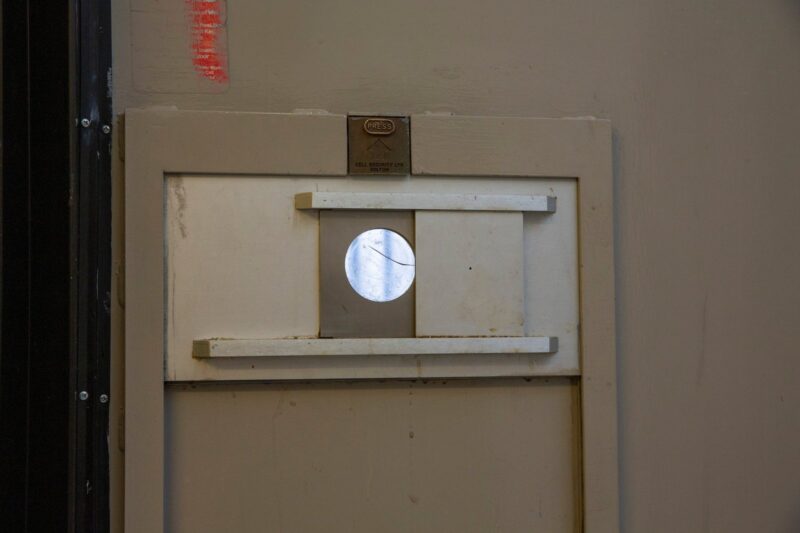
Many prisoners said staff could not or would not deal with their reasonable requests. Cell call bells often went ignored or unanswered for a long time.
The report traced most of the prison’s problems to staffing. It said “the source seemed to be the inability to recruit and retain staff”. Inspectors called this the fundamental strategic priority.
Many prisoners normally had only two hours out of their cells on weekdays. The governor showed energy and commitment, and inspectors saw good leadership in some departments. However, this effort was not yet producing improvement.
Health services, by contrast, had strong clinical leadership, and few prisoners had tested positive for COVID-19. The chaplaincy had worked very hard during the pandemic, and an equality training day run jointly by prisoners and staff impressed inspectors.
At the 2018 inspection, inspectors made 61 recommendations, three of them about key concerns. This time they found that the prison had achieved none of those three.
Since this report
Inspectors have reported on HMP Woodhill several times since. Independent reviews of progress appeared in July 2022 and September 2024, and Urgent Notifications in September 2023 and March 2026. Full inspection reports followed in November 2023 and June 2026.
About this story
This story is based on HM Inspectorate of Prisons’ report on HMP Woodhill, published on 14 December 2021, following an inspection that ended in September 2021. It covers an earlier inspection: the prison’s profile has the latest findings. All figures and judgements are the inspectorate’s. Read the full inspection report · See the prison’s profile in our directory.