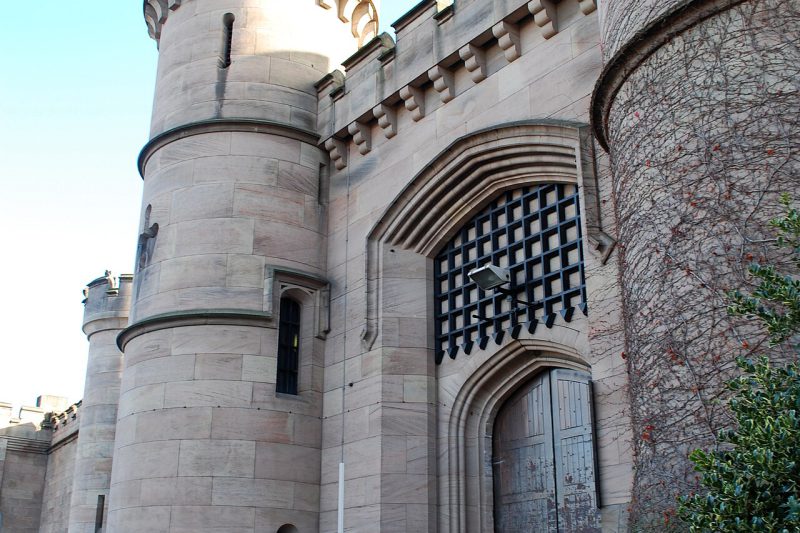
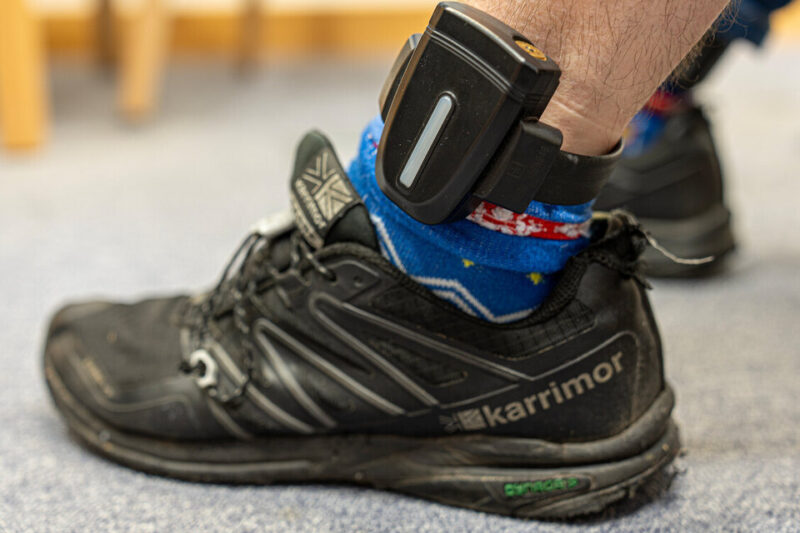
Tinsley House immigration removal centre remained safe and respectful despite years of disruption, but men facing removal waited too long for decisions, inspectors found.
The inspectorate’s report, published in August 2023, followed an inspection between 17 April and 5 May 2023. Tinsley House is a modern immigration removal centre (IRC) beside the runway at Gatwick Airport. Serco had run it since May 2020, jointly with the nearby Brook House as Gatwick IRC.
HM Chief Inspector of Prisons Charlie Taylor wrote: “This was a good inspection of a well-led and respectful IRC.” He added that inspectors had identified some concerns to help the centre keep improving.
How the centre was graded
Inspectors judge immigration removal centres against four healthy establishment tests: safety, respect, activities, and preparation for removal and release. Tinsley House scored reasonably good, the second-highest grade, on all four.
At the previous inspection in 2018, the centre scored reasonably good on three tests and good for preparation for removal and release. Inspectors found that outcomes in this area had slightly deteriorated.
The centre could hold up to 162 men, almost all adults. However, a shortage of Home Office staff had cut operational capacity to 97. Just 50 men were held at the time of the inspection. Inspectors said the reduced capacity had helped to balance the workload against resources.
This was a good inspection of a well-led and respectful IRC. We identify some issues of concern in our report, which we hope will assist with ongoing improvement.
Charlie Taylor, HM Chief Inspector of Prisons
A stable centre after disruption
Over the previous three years the site had changed role several times. During the pandemic it served as bail accommodation and then as a short-term holding facility. It returned to use as an IRC in November 2022.
Mr Taylor said the centre remained generally stable, which was a notable achievement given the disruption. Inspectors found that violence was rare and seldom serious. Staff and detainees had respectful relationships, reflecting a positive culture. Facilities and access to services were generally satisfactory.
Many men still arrived at night. Between January and March 2023, 47 of the 125 new arrivals came between 10pm and 6am. All survey respondents said reception staff treated them well. Bedrooms held between two and six men, with shared showers and toilets on each corridor.
Leadership was strong and gave good direction. However, staff felt, with some justification, that senior managers focused mainly on Brook House. Inspectors sensed that some regarded Tinsley House as merely an annex to the larger centre. They urged leaders to separate its data from Brook House figures to understand its own needs.
The health care service was an exception, with good use of data and strong leadership. Local Home Office staff engaged well with detainees, and the detention engagement team worked hard despite staffing pressures.
Casework, torture checks and release
Inspectors raised eight key concerns, four of them priorities. The first was slow casework. Decisions and travel documents for removal often stalled. Many men stayed in detention despite long delays and barriers to their removal.
More than half of all detainees eventually left the centre for the community. Inspectors said these men needed better support. Bail accommodation took a long time to secure, and staff did not systematically assess the needs of vulnerable men or those released homeless.
Inspectors also criticised Rule 35 assessments. These are medical assessments of detainees thought to be victims of torture. Most lacked detail and made no clear finding on how detention was likely to affect the person’s health. Staff no longer monitored how quickly the Home Office responded, and inspectors found evidence of some excessive delays.
Staff did not use interpreters consistently with men who spoke little English. Translated documents existed but were not routinely issued. An IT problem meant staff could not get a reliable report of detainees assessed as at risk, and staff at Tinsley House did not know about all of them.
Activities, equality and later reports
The centre had useful facilities in education, the library and the gym. However, inspectors found relatively few detainees using the library and gym. Education provision fell short, with no monitoring of attendance or progress. The library lacked organisation and oversight, and its books did not meet detainees’ needs.
Leaders were not promoting fair treatment through good use of data or by consulting minority groups. Staff had used a small facility for families awaiting departure only once in a long period, just before the inspection.
Inspectors have reported on Tinsley House again since, with a full inspection published in September 2026.
About this story
This story is based on HM Inspectorate of Prisons’ report on Tinsley House IRC, published on 7 August 2023, following an inspection that ended in May 2023. It covers an earlier inspection: the prison’s profile has the latest findings. All figures and judgements are the inspectorate’s. Read the full inspection report · See the prison’s profile in our directory.