
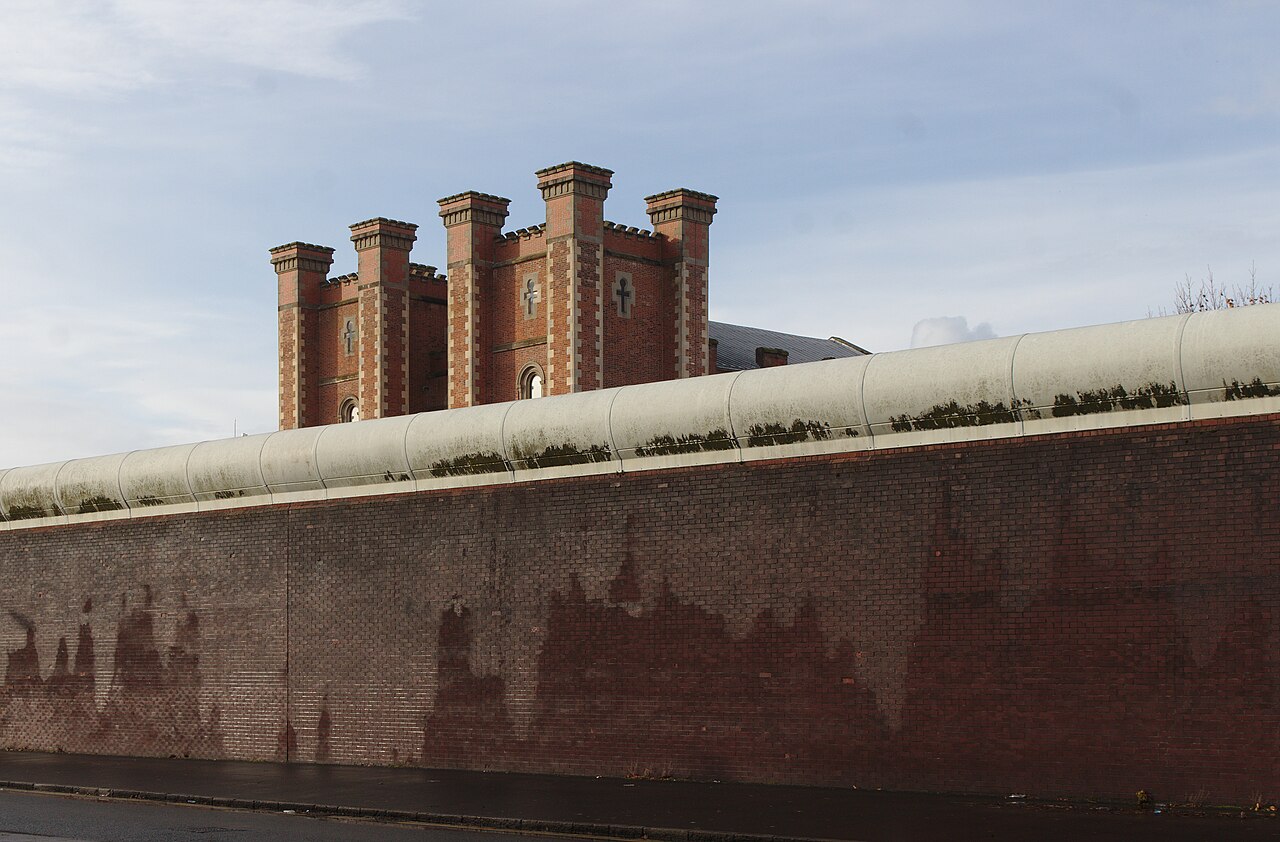
HMP Liverpool had kept up its recovery from a crisis five years earlier and had grown safer still, according to an inspection report published in November 2022.
HM Inspectorate of Prisons (HMIP) visited the prison between 18 and 29 July 2022. “Overall, this was a very encouraging inspection,” wrote HM Chief Inspector of Prisons Charlie Taylor.
One area fell short. Prisoners did not have enough time out of their cells, and there were too few places in work and education for the population.
From crisis to recovery
In 2017 inspectors found Liverpool in a parlous state. Their criticisms led HM Prison and Probation Service (HMPPS) to make urgent and radical interventions. These included a sharp cut in the number of prisoners, which helped make room for refurbishment. By the next inspection in 2019, the prison had made a commendable improvement. The 2022 inspection found that this improvement had lasted.
Liverpool opened in 1855. It is a reception and resettlement prison for adult men. It held 805 men at the time of the inspection, against an operational capacity of 810. The prison was moving towards a new role as a category C resettlement prison, ending its traditional job of taking men straight from court. The pandemic had delayed that change, so the prison still held a significant minority of unconvicted and unsentenced men.
Sustaining improvement in a challenging prison like Liverpool is a significant achievement, and this had created a platform from which to take the prison forward with confidence.
Charlie Taylor, HM Chief Inspector of Prisons
How inspectors graded the prison
Inspectors judge every prison against four healthy prison tests. At the time these covered safety, respect, purposeful activity and rehabilitation and release planning. Purposeful activity covers education, work and time out of cell.
Liverpool scored good, the highest grade, for respect. The Chief Inspector of Prisons called keeping that grade a considerable achievement. Safety rose from not sufficiently good in 2019 to reasonably good. Rehabilitation and release planning also scored reasonably good, although inspectors found some deterioration in this area. Purposeful activity scored not sufficiently good.
Inspectors raised 11 concerns, four of them priorities. Of seven recommendations on key concerns from 2019, the prison had achieved one and partly achieved another. It had not achieved the other five.
A calm prison with a caring culture
Inspectors found a positive and caring culture. New prisoners received a good welcome, and a promising new induction programme had begun shortly before the inspection. Vulnerable prisoners fared worse. They could not mix with the general population, so their induction remained very poor. The prison was calm and well ordered. In the survey, 13% of prisoners said they felt unsafe, significantly better than in similar prisons. Violence against both staff and prisoners had fallen considerably, to lower levels than at most comparable prisons. Inspectors said a strong sense of community motivated prisoners to behave well.
Self-harm had also fallen markedly. Sadly, one prisoner had taken their own life since the last inspection. Inspectors described relationships between staff and prisoners as a real strength.
Living conditions drew a mixed verdict. The refurbishment continued, and prisoners in the survey spoke positively about their conditions despite the old Victorian buildings. However, too many men still shared cells designed for one, and too many cells had broken windows.
Some problems were serious. Illicit drugs were too easy to get. Medicines management was inadequate, with unsafe administration and delays in delivering medicines. Prisoners waited too long to see a GP or a dentist.
Activity, release and what came next
The prison had activity places for only about two-thirds of its reduced population, and did not use the places it had well. Too many men had no job. Unemployed prisoners spent far too long locked up. The rate of pay for education discouraged men from taking part. Ofsted rated education, learning and skills as requires improvement. The Chief Inspector of Prisons said this was not good enough for a prison about to take on a full resettlement role.
The prison did good work to support family ties, and offender management was reasonably good. Many prisoners said someone was helping them prepare for release. However, public protection arrangements were not robust enough. The prison’s risk management meeting failed to share information about the highest-risk prisoners before their release.
The Chief Inspector of Prisons found a well-led prison. He said oversight could be more robust in some areas, with better use of data. Leaders had also paid too little attention to earlier recommendations. Even so, he wrote: “Sustaining improvement in a challenging prison like Liverpool is a significant achievement.”
Inspectors have reported on the prison again since, with a full inspection published in November 2025 and an independent review of progress published in June 2026.
About this story
This story is based on HM Inspectorate of Prisons’ report on HMP Liverpool, published on 15 November 2022, following an inspection that ended in July 2022. It covers an earlier inspection: the prison’s profile has the latest findings. All figures and judgements are the inspectorate’s. Read the full inspection report · See the prison’s profile in our directory.



