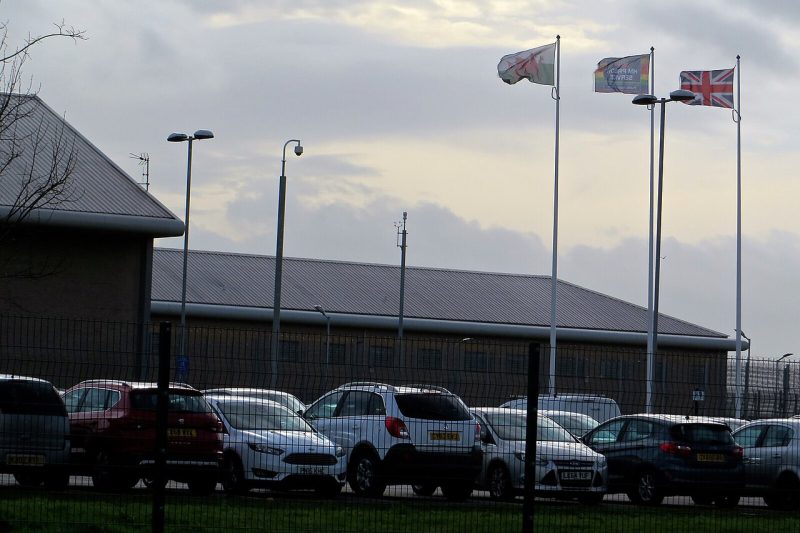
HMP Leyhill remained a safe and respectful open prison, but its work and education had deteriorated badly, according to an inspection report published in September 2023.
HM Inspectorate of Prisons (HMIP) visited Leyhill between 12 and 22 June 2023. It was the inspectorate’s first full inspection of the prison since 2016. HM Chief Inspector of Prisons Charlie Taylor described it as a positive inspection overall.
Only one area gave serious cause for concern. Purposeful activity, which covers education, work and time out of cell, fell from good to poor. The Chief Inspector of Prisons called this fall “indicative of a significant missed opportunity, especially in the context of an open prison”.
A calm open prison with an older population
Leyhill is a category D open prison for adult men in rural Gloucestershire. The prison first opened as hutted accommodation in 1946. Leyhill held 437 men at the time of the inspection, against an operational capacity of 461.
The population differed from many prisons. Just under half the men were over 50. Many presented a high risk of harm and were coming to the end of long sentences. Over 40% were serving indeterminate sentences, and more than half had been convicted of a sexual offence.
Most men lived in two main accommodation units, with some newer modular rooms. Inspectors said the well-kept grounds contributed to the calm and settled feel of the prison.
In this test, our assessment had fallen from ‘good’ to ‘poor’, indicative of a significant missed opportunity, especially in the context of an open prison.
Charlie Taylor, HM Chief Inspector of Prisons
Grades: good for safety and respect
Inspectors judge every prison against four healthy prison tests. At the time these covered safety, respect, purposeful activity and rehabilitation and release planning.
Leyhill scored good, the highest grade, for both safety and respect. It scored reasonably good for rehabilitation and release planning. These three scores matched the 2016 inspection. Purposeful activity was the only test to change.
Violence was rare. Self-harm was very low, and few men absconded or failed while on temporary release. Even so, the inspectors’ survey found some men felt unsafe. Inspectors suggested that staff should be more visible around the prison. Over a quarter of men thought illegal drugs were easy to get, though the rate of mandatory drug testing was comparatively low.
“The prison was an overwhelmingly respectful institution,” the Chief Inspector of Prisons wrote. Staff and prisoners got on well, the environment was excellent and living conditions had improved. Health care outcomes were also good. However, inspectors called the use of dormitories for new arrivals, a response to national capacity pressures, a retrograde step.
Inspectors found five examples of notable positive practice. They included the Lobster Pot, a drop-in centre for men over 50, and impressive work to support former armed forces personnel.
Work and education judged inadequate
Ofsted, the inspectorate’s partner on education, judged the overall effectiveness of work and education to be inadequate, its lowest grade.
The curriculum failed to meet prisoners’ needs. Not all work and education was meaningful or useful. Too few learners gained qualifications that might help them progress. The prison had introduced its reading strategy too slowly, and men with additional learning needs did not get the support they needed.
Younger men had fewer enrichment activities than those over 50. Some complained of boredom in the evenings and at weekends. Staff did not let prisoners use an impressive new sports field without supervision.
Inspectors also said the prison should make more of external work placements through release on temporary licence, known as ROTL. Too few eligible men had the chance to work in the community.
Health care waiting times were too long for some services. Men waited up to six months to see a podiatrist or an optician, and five months to see a physiotherapist. Inspectors also flagged a potential safeguarding risk, because support orderlies who helped frail, elderly and vulnerable prisoners lacked training and supervision.
Release planning and what came next
Work to prepare men for release was largely effective. The prison worked hard to help men keep family ties. An on-site psychology team supported complex prisoners and those presenting the greatest risk. Public protection arrangements were generally robust. In the survey, 88% of men nearing release said staff were helping them prepare.
A new governor was taking up post as the inspection ended. Inspectors judged that the prison had been well led, but said leaders needed to prioritise the weaknesses in its regime.
Inspectors have reported on the prison again since, with a full inspection published in October 2026.
About this story
This story is based on HM Inspectorate of Prisons’ report on HMP Leyhill, published on 20 September 2023, following an inspection that ended in June 2023. It covers an earlier inspection: the prison’s profile has the latest findings. All figures and judgements are the inspectorate’s. Read the full inspection report · See the prison’s profile in our directory.