HMP & YOI Hollesley Bay, an open prison in Suffolk, remained safe, respectful and effective. However, its work to protect the public was not good enough. Those were the findings of HM Inspectorate of Prisons in a report published in March 2019.
Inspectors visited the category D resettlement prison between 22 October and 1 November 2018. They judged outcomes good for safety and respect, and reasonably good in the other two areas they assess.
HM Chief Inspector of Prisons Peter Clarke made public protection the subject of the report’s one main recommendation. He described the shortfall as a very significant failing. “Of concern, and in contrast to much that was happening in the prison, public protection work was not good enough,” he wrote.
How inspectors graded the prison
The inspectorate assesses prisons against four healthy prison tests. At the time, these were safety, respect, purposeful activity, and rehabilitation and release planning. Purposeful activity covers education, work and time out of cell. Rehabilitation and release planning covers family ties, offender management and preparation for release.
At Hollesley Bay, inspectors judged safety and respect good. They rated purposeful activity and rehabilitation and release planning reasonably good.
Since the previous inspection in 2014, outcomes had stayed the same in three areas. Purposeful activity had declined. In 2014, inspectors had reported on what the Chief Inspector of Prisons called an impressive institution.
At the time of the inspection, the prison held 470 men against an operational capacity of 485. Many were serving sentences of more than four years. Just over 100 were serving over 10 years or life. Some 95% came from outside Norfolk and Suffolk, and 34% were from a black and minority ethnic background.
The prison was also preparing to begin holding men convicted of sex offences. The report said much more work remained on this plan. A new governor was about to take up post.
Of concern, and in contrast to much that was happening in the prison, public protection work was not good enough.
Peter Clarke, HM Chief Inspector of Prisons
A very safe prison
Inspectors found Hollesley Bay a very safe place. Most prisoners told the inspectorate’s survey that they felt safe. Violence was relatively rare, and informal support for vulnerable men worked well.
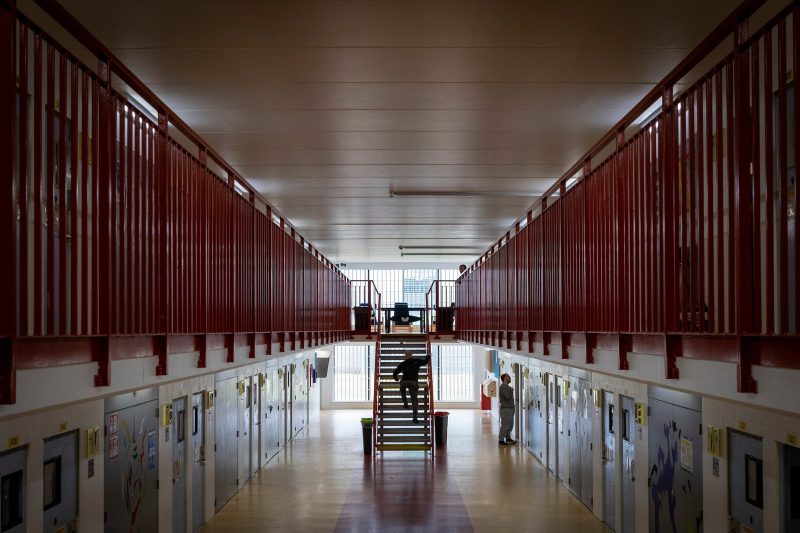
The reception area was welcoming. First night rooms were clean and well equipped. Inspectors described the peer-led induction for new arrivals as excellent.
Self-harm incidents remained infrequent, and support for men at risk was very good. Staff rarely used force, though inspectors wanted more thorough and accountable management when they did.
Security measures were proportionate. However, the availability and use of illicit drugs had risen since 2014. The prison had strategies in place to try to tackle this.
Respect, work and training
The report described the prison as an overwhelmingly respectful place, with some very supportive relationships between staff and prisoners. Yet inspectors also found a strong undercurrent of men who felt intimidated by staff. Some feared staff could send them back to closed conditions without good reason. The report said the prison needed to understand and remedy this perception.
The prison made extensive use of peer supporters. But some of their roles lacked clarity, and some of their training was indifferent. General consultation with prisoners was lacklustre.
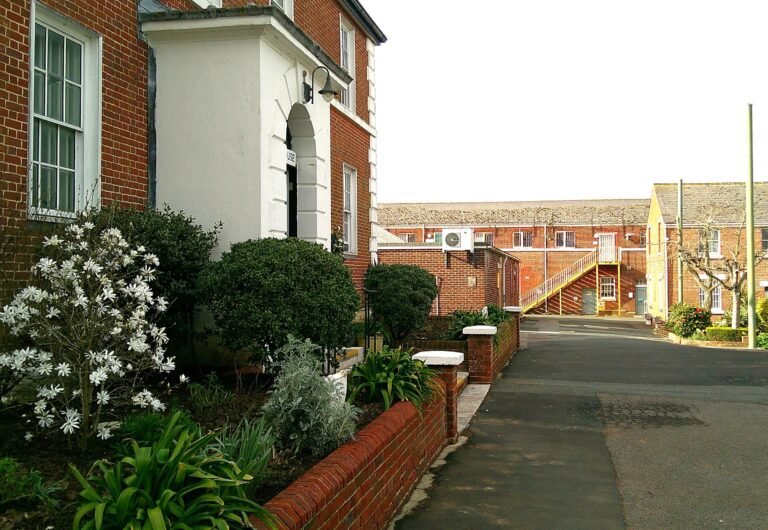
Accommodation was generally good, though one unit, Bosmere, needed further refurbishment. Health and substance misuse services were good. The promotion of equality was weak, but most outcomes for men with protected characteristics appeared equitable.
Men had significant time out of their cells, and the prison offered a wide range of education and vocational training. Strong links with regional employers had created many unpaid and community roles. Prisoners filled these on release on temporary licence, known as ROTL, which lets men leave the prison for work or resettlement during the day.
The prison used ROTL extensively. Over the previous six months, more than 15,000 ROTL events had taken place to support work, resettlement and family ties. Ofsted, which inspects prison education, assessed overall provision as good. Accredited training in prison industries and structured careers advice were less well developed.
Public protection and release
The prison’s approach to reducing reoffending was reasonable. Its analysis of prisoners’ needs and its improvement plan were too limited, however. Offender management was improving, helped by peer workers and a drop-in surgery. It was less well integrated with the rest of the prison.
Public protection work stood out as the main weakness. Some 20% of prisoners presented a high risk of harm to others, and 10% a potential risk to children. Planning for men approaching release was better.
At the 2014 inspection, the inspectorate had made 30 recommendations. By 2018, the prison had achieved 14, partly achieved one and not achieved 15.
Peter Clarke concluded: “Hollesley Bay remained a successful and effective prison.” He said men there received good treatment, and he hoped the report’s recommendations would help further improvement.
Later inspections
Inspectors have reported on Hollesley Bay again since, with a full inspection published in July 2024. This article covers the report published in March 2019.
About this story
This story is based on HM Inspectorate of Prisons’ report on HMP & YOI Hollesley Bay, published on 5 March 2019, following an inspection that ended in November 2018. It covers an earlier inspection: the prison’s profile has the latest findings. All figures and judgements are the inspectorate’s. Read the full inspection report · See the prison’s profile in our directory.