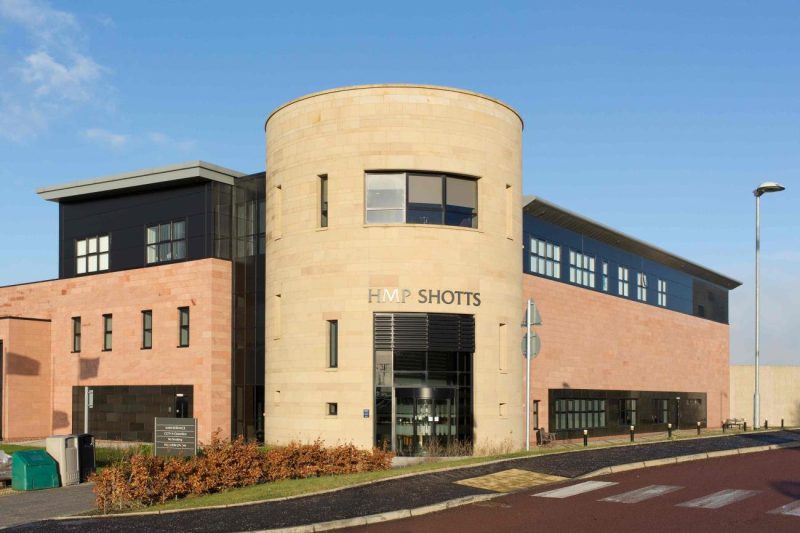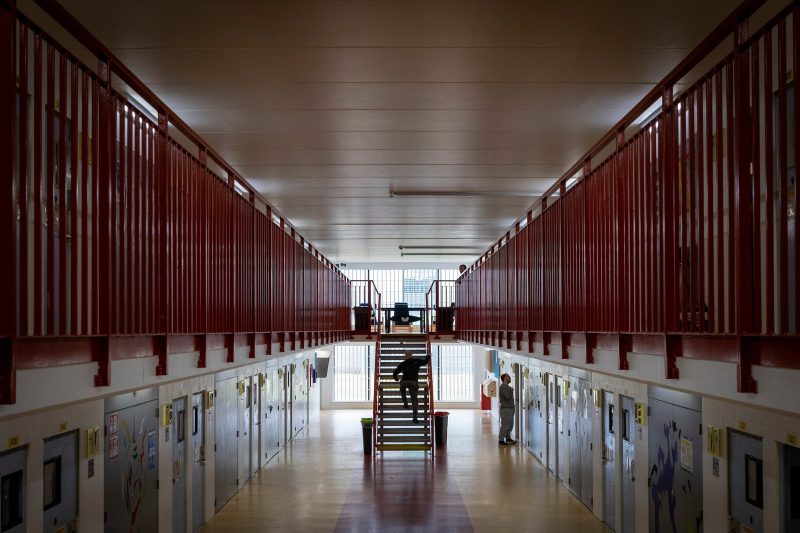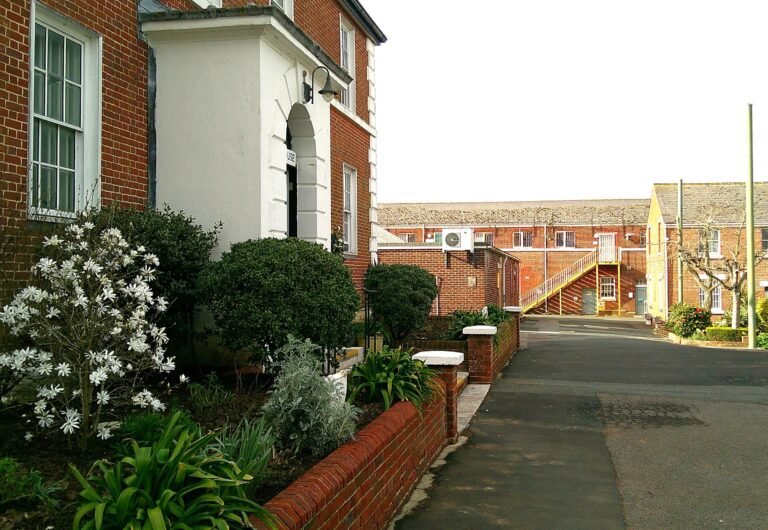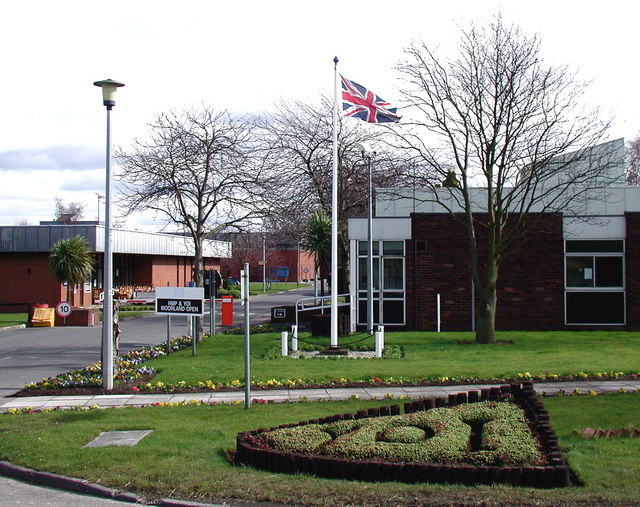
HMP & YOI Hatfield earned the highest grade of good in all four of the inspectorate’s healthy prison tests. It matched the result of its previous inspection in 2015. HM Chief Inspector of Prisons Peter Clarke wrote: “The prison was unequivocally safe.”
The inspectorate’s report, published in January 2020, followed an inspection between 5 and 16 August 2019. Hatfield is a category D open resettlement prison for men near Doncaster in South Yorkshire. It held a little under 380 men at the time, around 70 of them aged over 50. Thirty per cent came from black and minority ethnic groups.
The prison operates across two sites four miles apart. New arrivals go first to The Lakes site, formerly part of HMP Lindholme, before moving to the main site.
The grades
The inspectorate judges prisons against four healthy prison tests. At Hatfield these covered safety, respect, purposeful activity, and rehabilitation and release planning. Purposeful activity covers education, work and time out of cell.
Inspectors rated all four good, the same as in 2015. Peter Clarke said it was good to see that complacency had not taken root after the excellent previous inspection.
In 2015 inspectors made 30 recommendations. This time they found that the prison had achieved 24 and partially achieved two. It had not achieved three, and one no longer applied. Peter Clarke called this achievement rate extremely high.
A new governor was taking up post during the inspection. Inspectors said the prison had benefited from consistent leadership for several years. That showed in what appeared to be a settled, mature and very competent staff group.
The prison was unequivocally safe. Violence was very rare, the overwhelming majority of prisoners felt safe and staff struggled to recall the last time there had been an assault.
Peter Clarke, HM Chief Inspector of Prisons
A safe and settled prison
Violence was very rare and the overwhelming majority of prisoners felt safe. Staff struggled to recall the last assault. The prison had recorded no incidents of self-harm in the year before the inspection. Peter Clarke described an institution that was relaxed and well ordered.
The incentives scheme worked well and use of force was rare. Fewer prisoners went on report than at other category D prisons.
Around eight to 10 prisoners returned to closed conditions each month. But the prison did not always send a man straight back to closed conditions when he broke the rules. Instead it typically moved him to The Lakes site for a period of assessment to decide the best way forward. Peter Clarke said this approach had much to commend it.
Relationships between staff and prisoners were good, with a clear sense of community. However, the prison did not receive funding for the Offender Management in Custody programme. That limited the time staff had for one-to-one work with prisoners.
Inspectors said the prison needed to understand inequalities, and perceptions of inequality, shown by the survey and the prison’s own data. They also recommended a broader review of consultation, as part of work to improve confidence in complaints.
Work, families and release
Time out of cell was excellent, as expected in an open prison. Ofsted judged leadership and management of learning, skills and work to be good. Achievement of qualifications on most courses was very high.
One in five prisoners went out into the community on employment and training placements. Inspectors could not always see clear links between these placements and men’s long-term career aspirations. Release on temporary licence relied on individual staff with local knowledge, energy and expertise, rather than robust written processes.
Work with children and families was very good, and prisoners spoke positively about visits. The prison managed home detention curfew well. It had approved every application in the previous six months and put most into action at the earliest opportunity.
No prisoner had left homeless in the previous six months. Every prisoner went before a discharge board before release, which inspectors identified as good practice. Staff also confirmed public protection levels before prisoners gained access to temporary release, which inspectors said was better than they often saw.
The sites were generally in good condition, but some units showed their age and needed refurbishment. Inspectors understood that the prison had bid for funding, but the money had gone elsewhere and would not be available for at least two years.
Since the inspection
Peter Clarke described Hatfield as “a well-run and decent establishment, fulfilling its role in preparing men for their release”. Inspectors have reported on the prison again since, with a full inspection report published in October 2024.
About this story
This story is based on HM Inspectorate of Prisons’ report on HMP & YOI Hatfield, published on 9 January 2020, following an inspection that ended in August 2019. It covers an earlier inspection: the prison’s profile has the latest findings. All figures and judgements are the inspectorate’s. Read the full inspection report · See the prison’s profile in our directory.